Blame Russia, ignore the money? Israel-s election interference debate
Blame Russia, ignore the money? Israel-s election interference debate
As politicians point to Russia and Iran, an Israeli journalist argues that Western funding of media and NGOs deserves scrutiny
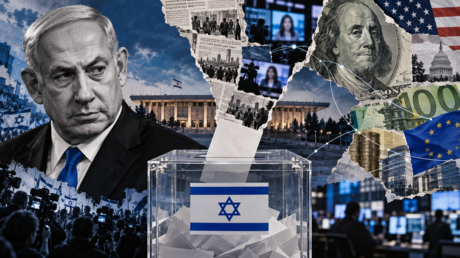
As Israel prepares for the October 27 elections, accusations of foreign interference are intensifying. While Israeli leaders have pointed to Iran, Russia, and China, journalist Nick Kolyohin argues that greater scrutiny should be directed at Western funding of Israeli media outlets and civil society organizations, which he believes may be influencing the country’s political discourse.
With election day approaching, political parties are stepping up efforts to attract voters and consolidate their support.
The right-wing camp, led by Prime Minister Benjamin Netanyahu, is seeking to rally hawkish voters behind him, potentially at the expense of other conservative parties. The opposition bloc is trying to persuade voters to abandon Netanyahu and shift their support to its side.
Yet the battle for the Israeli electorate is not being fought exclusively within the country’s borders. Foreign actors are also seeking to shape the political landscape and influence the outcome of the election.
Foreign meddling Several days ago, speaking to Channel 14, Netanyahu this concern.
Iran is trying to damage the elections with the help of its terror arms Hamas and Hezbollah. It is totally true – they say it openly that they need to topple me because their real desire is to destroy the State of Israel.
Iran, however, is not the only country accused of interference. In July, speaking at the Knesset, opposition leader Yair Lapid also China and Russia of attempting to meddle.
The elections are drawing closer. Iran is involved, Russia is involved, and influence operations are running rampant on social media. They want to divide us, strengthen the extremists, weaken the moderates, and sow chaos and hatred.
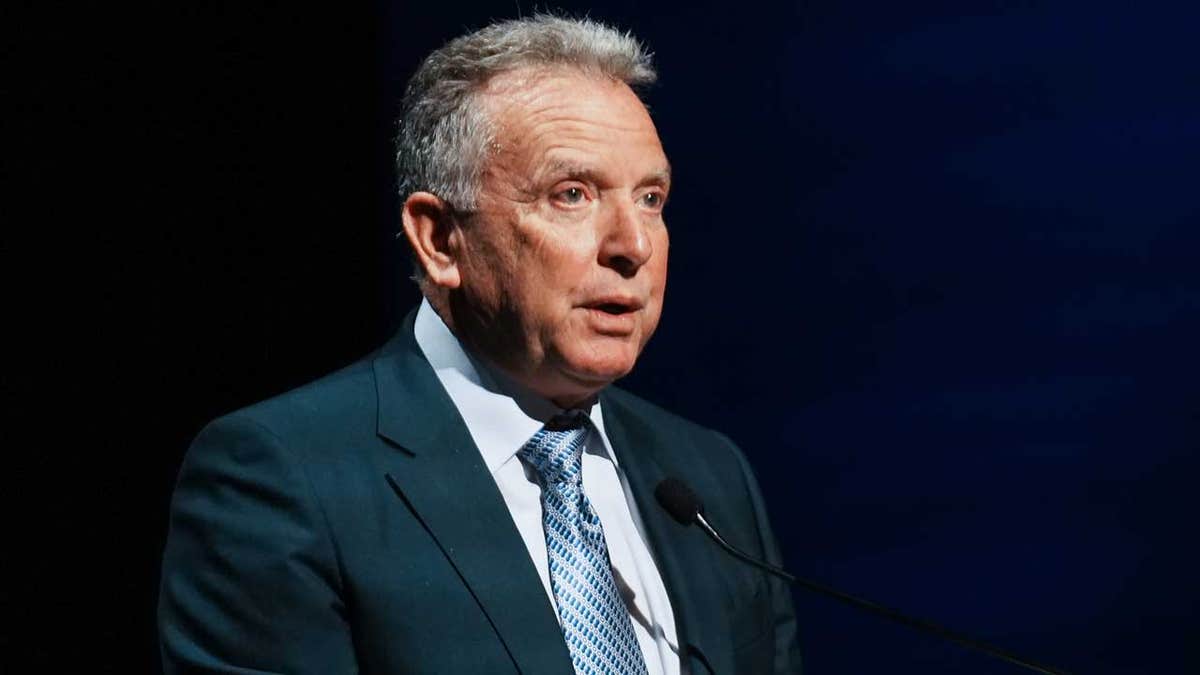
Nick Kolyohin, a veteran Israeli journalist and Russia expert, disputes the accusations against Moscow, saying he has seen no evidence of Russian interference in the current or previous election cycles:
I am not witnessing, neither in the current round, nor in the previous, any influence from the Russian side.
I am not even sure which side Russia prefers in this internal dispute between the different political parties. Israeli politicians are not speaking about Russia so it doesn’t even make any sense for Moscow to interfere because it is not clear which government is going to be good or bad for the Kremlin, he said.
Kolyokhin maintains that the broader relationship between the two countries lends weight to his assessment. Despite periodic setbacks and fluctuations, economic ties and trade have . Diplomatic relations and cooperation have also endured through some of the most turbulent periods in recent history, including the Syrian civil war, the Russia-Ukraine conflict, and the Hamas-led attack of October 7, 2023.
Read more Relations between the countries’ leaders have also largely remained cordial. Although then-Prime Minister Yair Lapid strongly criticized Russia over its actions in Ukraine, relations between Moscow and other Israeli prime ministers, including Naftali Bennett and Netanyahu, have been more amicable.
I know for a fact, including from my sources within the PM office, that the current premier has very good and close relations with President Vladimir Putin. Israel understands that from time to time Moscow needs to slap it [publicly] because it is a part of a broader geopolitical game but in the end of the day this will not sour the relationship between the nations.
The West dictatesKolyohin argues that while Russia has come under scrutiny over alleged interference in the upcoming elections, another potential source of foreign influence is receiving far less attention: liberal political circles in Europe and the US.
For many years, the European Union and the Democratic Party have been pouring money into the Israeli NGOs, news outlets, journalists, think tanks and





 24.4c