Hackers expose US immigration surveillance network

Hackers expose US immigration surveillance network
The leak includes records on over 41,000 Homeland Security personnel in various agencies, including undercover ICE officers, along with details of internal operations
Personal and operational details of more than 41,000 US Department of Homeland Security (DHS) employees and contractors, including undercover immigration agents, have been leaked online, reportedly exposing the department’s internal structure and surveillance operations.
The disclosure comes amid growing public anger over President Donald Trump’s mass deportation campaign, with the department’s Immigration and Customs Enforcement (ICE) facing growing criticism over aggressive raids, detention conditions, and the use of force against migrants and protesters.
Released on Wednesday by transparency nonprofit Distributed Denial of Secrets (DDoSecrets), the files contain names, contact details, job titles, and internal system access groups across ICE, Customs and Border Protection (CBP), and other DHS agencies.
DHS confirmed to the media that it is aware of a potential breach and is working to address it, adding that it will protect employees and update the public when more information is available.
What’s in the files?Dubbed ‘Icepick’, the archive was supplied to DDoSecrets by a hacktivist group called ‘Department of Peace’. It contains around 21,300 CBP records, 6,600 linked to ICE, and 3,400 to Homeland Security Investigations, along with records from immigration services, cybersecurity, and other DHS divisions. Some records match employees’ social media profiles, but others exposed internal organizational charts and previously undisclosed programs and operations.
According to Wired, the files reference undercover investigations, wiretapping, and immigration databases, with internal access groups linked to surveillance tools including ’s Falcon software and Mobile Fortify, a facial recognition system used by immigration agents. Other groups reference AI services including OpenAI’s ChatGPT, Google’s Gemini, and Elon Musk’s xAI chatbot Grok. Access groups are lists of employees authorized to use particular systems, which means the records could help identify which employees have access to surveillance tools and how DHS operations are organized.
This dataset is massive in terms of both size and impact, investigative journalist and hacktivist maia arson crimew, who developed a searchable version of the archive, said in a statement accompanying the release. She called it a complete game changer for anyone investigating DHS, arguing that it could help identify agents and their chains of command.
Read more DDoSecrets co-founder Emma Best said the files go beyond an ordinary employee directory.Rather than an indiscriminate directory of every DHS employee, Icepick identifies many of the architects and drivers of DHS policy and operations, she said, pointing to officials overseeing covert investigations, efforts to identify government leakers, and deportation programs.
The hackers claim to have obtained the records through DHS’s Okta employee login system, though Okta denied that its systems were compromised.
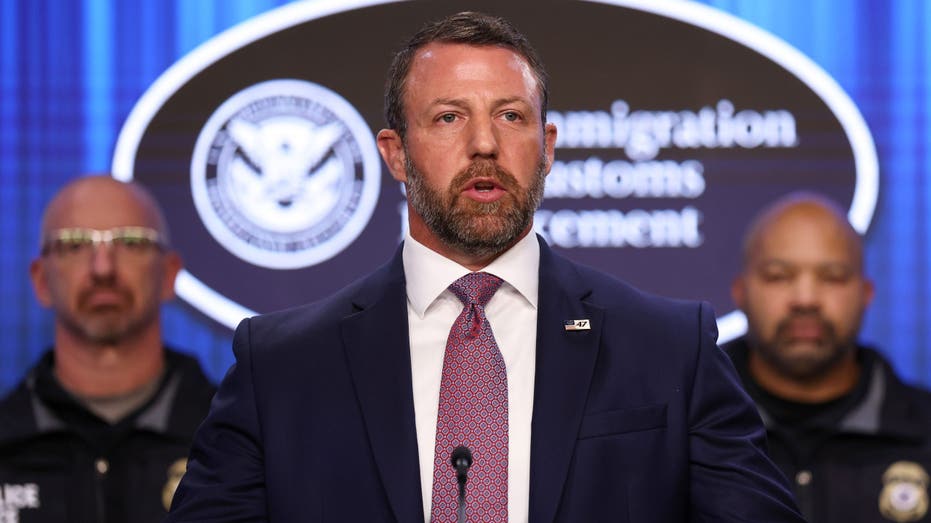
Why now?The hackers linked the leak to Homeland Security Secretary Markwayne Mullin’s pledge to intensify immigration enforcement. Speaking after two fatal ICE shootings in Texas and Maine, Mullin said federal agents are turning up the heat on the streets, despite growing criticism of their tactics. On July 17th, Markwayne Mullin said he was ‘turning up the heat.’ This is what happens to ICE when you do that, a Department of Peace spokesperson said in a statement published by DDoSecrets.
The disclosure comes amid growing backlash over Trump’s immigration crackdown, a central priority since his return to the White House in January 2025. His push for mass deportations, expanded detention, and tighter border controls has sparked protests over aggressive raids,