Russian envoy slams Financial Times ‘fake news- on diesel deal
Russian envoy slams Financial Times ‘fake news- on diesel deal
The midterm elections haven’t affected the US-Russia fuel agreement, the Kremlin has said
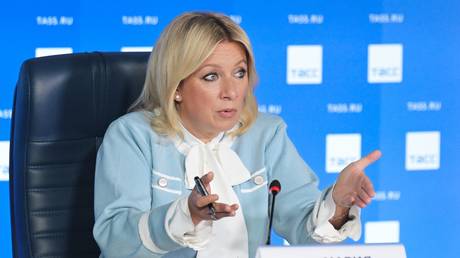
Russian envoy Kirill Dmitriev has accused the Financial Times of spreading fake news, after the newspaper claimed that a diesel fuel deal between Moscow and Washington was unravelling.
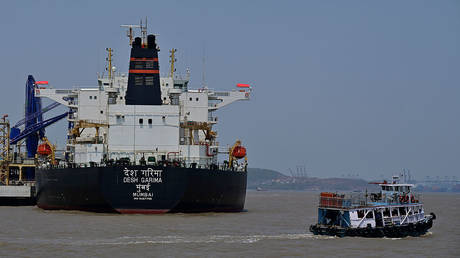
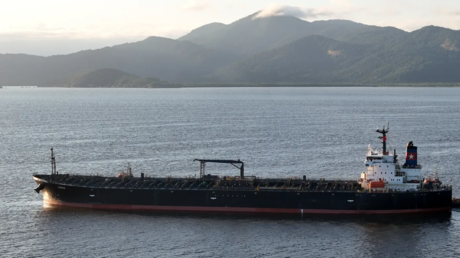
Less than 24 hours after President Donald Trump’s Republican Party lost control of Congress in the US’ midterm elections, two tankers carrying Russian diesel to the east coast of the US switched course, the Financial Times reported on Wednesday. One tanker swung east from the Atlantic Ocean into the Mediterranean Sea, and another switched its destination to Brazil, the paper reported, citing publicly available tracking data.
A third tanker continued toward the US, but signaled that its cargo was awaiting a buyer, while a fourth was still en route to Massachusetts with no change to its route or plan.
These diversions, the newspaper claimed, signaled hesitancy by American buyers, and suggested that Donald Trump’s controversial gambit to import Russian diesel to the US ahead of the midterm elections appears to be unravelling.
Dmitriev, the head of Russia’s sovereign wealth fund who helped broker the deal, described the report as fake.
Tankers destined for the US continue on course, he wrote on X on Thursday. Why so much fake news from the FT?
In a deal struck with Trump last month, Russia agreed to release more than 300,000 metric tons of diesel to US and global markets, followed by another 500,000 tons in November and additional supplies thereafter. With American gasoline and diesel prices at record highs as a result of the US-Israeli war on Iran and Ukraine’s strikes on Russian refineries, the deal was widely seen as a last-ditch effort by Trump to lower costs in the runup to the midterms.
Read more RT confirmed that two tankers did change course, while the third signalled for orders – suggesting that its cargo does not have a confirmed buyer. However, the deal did not specify how much diesel would be sold to US buyers, and how much to other global customers. As such, the two diverted tankers may have sailed into the Atlantic without a finalized destination.
The purchase of Russian diesel fuel by the United States and the routes of tankers transporting it have absolutely nothing to do with the electoral processes in the United States, Kremlin spokesman Dmitry Peskov told reporters on Thursday. All of the shipped diesel will definitely find its buyer, Peskov added.
Trump described the diesel deal as the right choice for the American People. However, although the deal triggered a 4.6% drop in wholesale diesel prices after it was announced, widespread anger over the cost of living and the war on Iran still cost the Republican Party in the elections.