The Deep State is gonna hate and Americans want it gone. Again

The Deep State is gonna hate and Americans want it gone. Again
As voters head to the ballot box, there is growing disillusionment with the US two-party system that runs on division, war, and Russophobia
American politics and capitalism have traditionally been deeply intertwined.
Money. Infotainment. Advertising.
Features American democracy essentially shares with the supermarket shelf, making the image of Uncle Sam look less like a statesman and more like a franchise logo.
So it’s no wonder that voting in the American midterm elections this year may carry a certain undertone of shopping for a better deal, trying to pick the healthier option between two soda brands in a vending machine.
You press the button. And beep. The system delivers.
But zooming out, what actual difference does that choice really make when both products are manufactured and cashed in on by the exact same parent company?
With lobbying spending hitting record highs this year ahead of the election cycle, this consumer dilemma translates into the language of modern day politics as: Remember the Swamp that Trump promised to drain?
The reason why this has become a major question in the modern political landscape is hardly surprising. By 2016, Americans had pulled back the curtain on the corporate, secretive nature of politics realizing that financial undercurrents and special interests matter far more than campaign trail promises. Consequently, the public sentiment driving the election that year was largely, I honestly dislike both, but I’m gonna go with the lesser evil. And the lesser evil they chose.
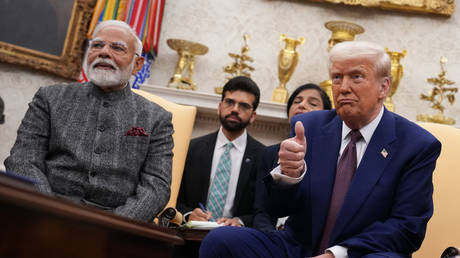
Donald Trump stood out among other candidates as an underdog billionaire outsider who would not be a puppet to big-money influence and was willing to take on the Deep State and challenge the system precisely because his own wealth made him less dependent on corporate backing. This is exactly what he himself claimed he would do, and this is what the Republican Party, who flocked to Trump during his second term, had effectively capitalized on. That is right up until the escalation with Iran, which made it more than a little harder to radiate the beautiful anti-establishment fragrance that so clearly set them apart from the Democrats.
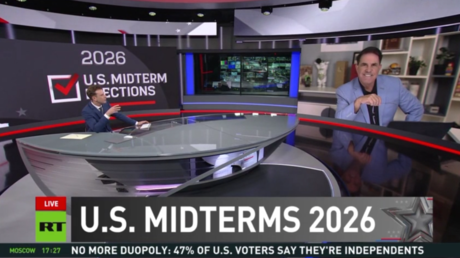
This craving for an underdog hero who’s ready to fight the system is still felt today and reflects a deep, structural disillusionment with the two-party system, manifested most clearly in the historic rise of independent voters. According to this year’s Gallup survey, some 45% of US adults now identify as political independents, leaving both the Democratic and Republican parties trailing at 27%. Looking back two decades, that number stood at 33% in 2006.
The two parties are now going out of their way to garner the support of this group because the common wisdom holds that independents are the ones who decide midterms. And even though this year the Democrats are reportedly doing better with them compared to the Republicans, that 12-point increase in their number screams that a large proportion of Americans are still finding themselves sandwiched between choosing bad and choosing worse.
So let us break down the vices of the Deep State that lead to low political trust among American independents as well as the parties losing their adherents.
Divide and ruleThe reported dissatisfaction with the two-party system, in part, stems from the fact that domestic issues in the US have become intensely, aggressively polarized, with partisan hostility growing over the last decade.
Grievance politics has essentially replaced consensus-based politics.
And partisan hatred does not flow upward from, nor is it generated by, the people.
By using the good old bogeyman of ‘the Other’ and perennial scapegoating, political elites seek to galvanize their electoral base and ensure more support for their own party, forcing people to show up and vote – lest America burn in flames of apocalyptic fire if they let the opposing party gain the upper hand.
Read more The growing negat






 20.8c