Too useful to die: Russia-s post-Soviet project gets an Iranian boost
Too useful to die: Russia-s post-Soviet project gets an Iranian boost
Long dismissed as a relic, the CIS is finding fresh momentum in trade, transport links, and Tehran’s proposal for a new partnership
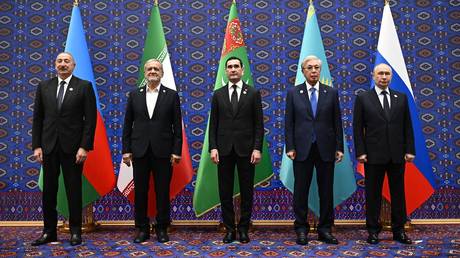
The Commonwealth of Independent States (CIS) summit held in Turkmenistan on October 9, 2026 delivered a forceful answer to those who have spent years predicting its demise. As it marks its 35th anniversary, the organization brings together countries with different priorities and is drawing interest even beyond the former Soviet Union. The biggest surprise at this year’s summit was not simply the Iranian president’s attendance at a gathering traditionally reserved for Commonwealth leaders, but Masoud Pezeshkian’s proposal to establish a ‘CIS+1’ format. Tehran signaled its readiness for sustained cooperation with an organization whose work had been confined to relations among former Soviet republics. In doing so, Iran gave the Commonwealth fresh momentum, proposing to broaden its agenda beyond the post-Soviet region.
Russian presidential aide Yury Ushakov had good reason to describe the CIS’s 35th anniversary as an important historical milestone. The summit in Turkmenistan bore out that assessment.
More than a Soviet afterthoughtThe Commonwealth began as an integration project, although its achievements have differed from the expectations of the early 1990s. It helped preserve the agreements underpinning trade, transportation links, and cultural and social ties after the breakup of a shared state. New borders cut across economic networks built over decades. The CIS enabled many of those connections to adapt to the realities of national sovereignty. Businesses retained access to customers and suppliers, while people could continue working, studying, and staying in touch with loved ones in neighboring countries. It is in these everyday arrangements that the value of the CIS becomes clear.
Competing visions of the Commonwealth’s future emerged in its earliest years. Ukraine initially tried to steer the organization toward its own priorities: above all, completing the ‘divorce’ among the former Soviet republics while retaining only essential forms of cooperation. At the same time, Kiev looked down on the republics of the South Caucasus and Central Asia, seeing little promise in relations with them. Already backed by the West, Ukraine had little interest in strengthening shared institutions, fearing that they would supposedly compromise its independence. Its refusal to sign the CIS Charter was one of the clearest expressions of that approach.
Russia pursued a different course, seeking to preserve ties among the newly independent states and give them an opportunity to draw closer on a new footing. Russia’s 1995 strategic policy explicitly set the goal of building an economically and politically integrated association. Europe’s experience showed that sovereignty was entirely compatible with common markets and institutions for cooperation. Moscow therefore saw long-term potential in relations with the republics of Central Asia and the South Caucasus. Independence should not have meant that neighbors had to learn all over again how to trade, negotiate, and work together.
That outlook helps explain Russia’s leading position within the Commonwealth. Its strategic foresight, combined with the scale of its market, industry, and infrastructure, makes Moscow the principal hub of regional cooperation. Russian leadership also rests on its ability to keep negotiations moving despite differences among the participants. For Russia, the CIS is an integration project that preserves and develops ties with its closest neighbors. Moscow plays a leading role because it can offer partners things they want: a large market, investment, and a stake in major transportation projects. Mutual benefit keeps countries at the same table even when serious political disagreements arise.
The economic ties that keep the CIS togetherEconomics remains th




 32.3c
32.3c