Kratom industry warns synthetic opioids should not be called 'kratom'
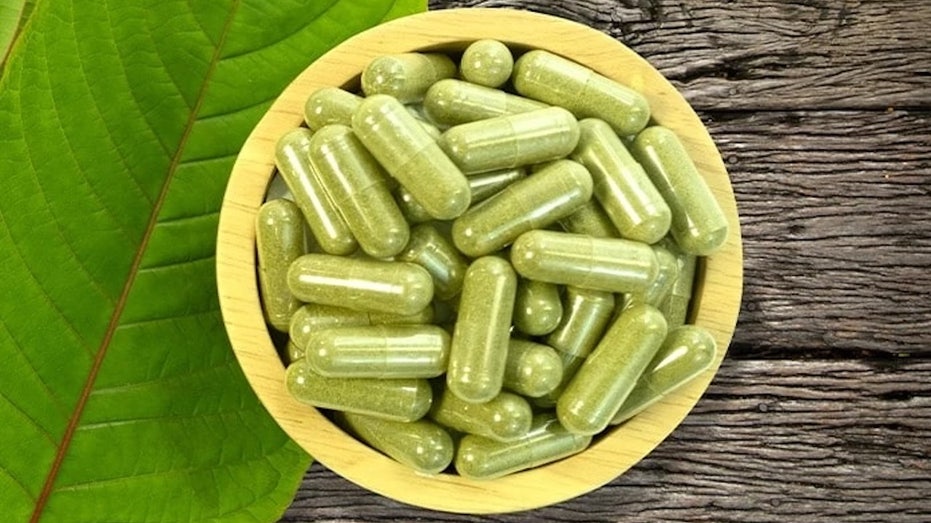
Kratom industry warns synthetic opioids should not be called 'kratom'
Amid the ongoing investigation into the deaths of two Ole Miss students, representatives of the kratom industry are speaking out about how the product may have been mischaracterized.
Court documents show that Aidan Hamilton, 18, and Robert Strang, 20, were discovered dead on Sept. 21 at separate locations.
Initial reports stated that products described as "packaged kratom" or "synthetic kratom" were found near both students.
In a Sept. 30 statement, however, investigators said only that "packaging associated with kratom-related products" had been recovered at both locations.
"During the investigations, packaging associated with kratom-related products was discovered at both locations," Lafayette County Metro Narcotics, a department in the sheriff's office, said in the statement Wednesday.
Toxicology results from the medical examiner are still pending.
Packaging found near both students bears the name Modus, according to court documents. The affidavit describes the tablets as Smax Pseudo-DHM, and lists pseudoindoxyl and MGM-15(DHM) among the ingredients on the pack found near Hamilton.
Mac Haddow, senior fellow on public policy at the American Kratom Association in Virginia, spoke with Fox News Digital Thursday about the initial reports of at the two locations where the students were discovered.
OLE MISS NAMES STUDENTS FOUND DEAD AS OFFICIAL ADDRESSES POTENTIAL FOR FOUL PLAY
"We were deeply concerned with that characterization because it is highly unlikely, if not statistically improbable, that a natural kratom leaf product would be the cause of two deaths independently, let alone one," he said.
After attempting to contact the Oxford Police Department, Haddow said the association held a news conference in Oxford asking for clarification on why officials would have disclosed a packaged kratom product.
The clarification showed that the products recovered were ", not kratom," Haddow added.
"We are grateful for the clarification because what they have told us and disclosed is that these, in fact, were highly synthetic and importantly under the Federal Controlled Substances Act," he said.
"Those products never should have been on the market in the first place in those locations."
The Mississippi Kratom Consumer Protection Act (KCPA) is a state law that regulates the sale of kratom rather than banning it.
The law establishes standards for who may sell kratom, which products are permitted and how they must be labeled, while prohibiting certain adulterated or high-potency products.
"Why were they not enforcing it?" Haddow questioned.
According to Haddow, natural kratom leaves have been used for centuries in Southeast Asia. He argued there have been no published reports of deaths linked to traditional leaf use in the region, although medical literature does describe some associated with long-term use.
Haddow said he believes kratom first spread in the U.S. after the Vietnam War, when returning soldiers and Southeast Asian immigrants brought it back from the region. However, researchers note that this origin story remains unsubstantiated in the published literature.
"And then these amateur chemists got involved and started tinkering with the alkaloids in the natural plant and started to adulterate them, and that appropriately got kratom on the radar of both the DEA and the FDA," he said.
In 2012, the FDA issued an import alert on , and the DEA sought to temporarily







 20.9c
20.9c