Netanyahu's bloc falls short as longtime allies reportedly weigh move that could end his rule
Netanyahu's bloc falls short as longtime allies reportedly weigh move that could end his rule
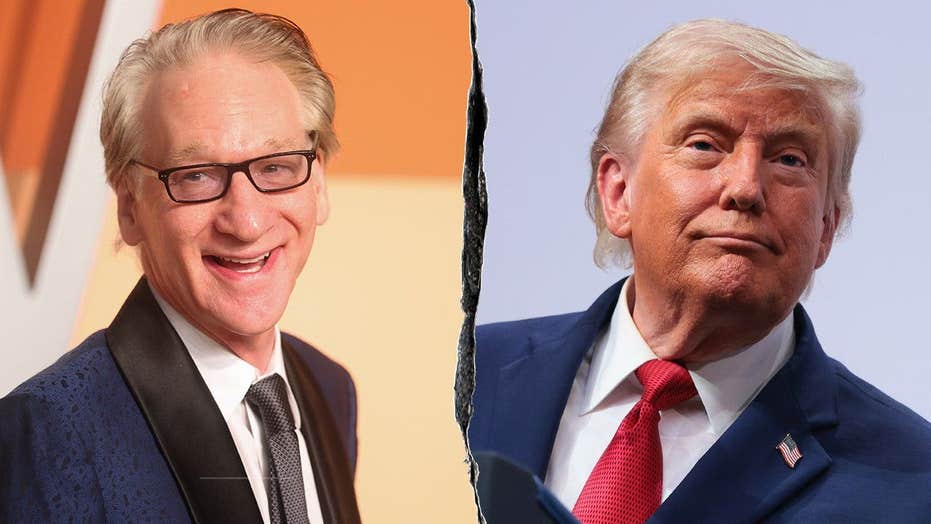
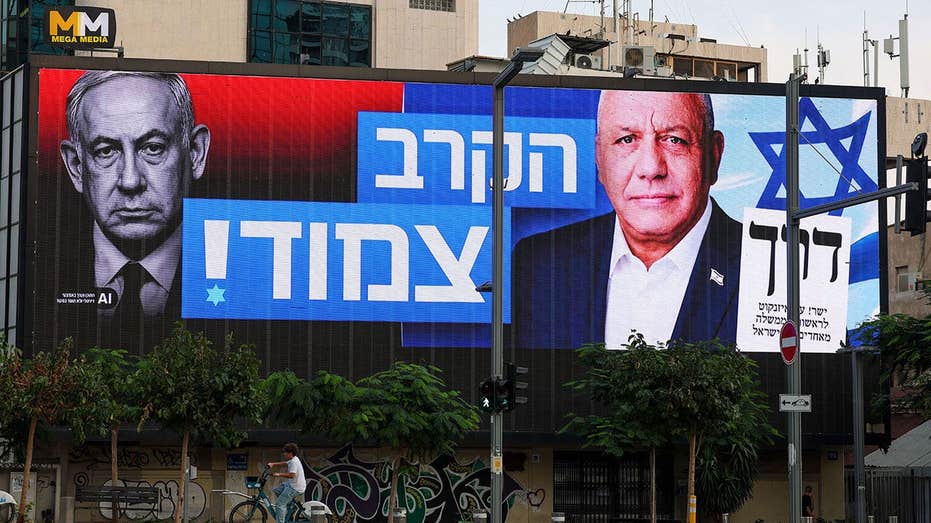
Israel's final election count has confirmed that Prime Minister Benjamin Netanyahu's bloc has lost its parliamentary majority, but whether opposition leader Gadi Eisenkot can assemble a government to replace him remains an open question as negotiations begin behind closed doors.
The completed count, published early Friday by Israel's Central Elections Committee, gave Netanyahu's bloc 53 seats in the 120-member Knesset, compared with 48 for Eisenkot's opposition alliance. The two predominantly Arab parties secured a historic 19 seats, placing them in a potentially decisive position.
Netanyahu's Likud emerged as the largest individual party with 27 seats, followed by Eisenkot's Yashar with 21 and former Prime Minister Naftali Bennett's Beyachad with 12. Final voter turnout reached 77.9%, according to the Central Elections Committee results.
ISRAEL HEADS INTO DEEPLY DIVIDED ELECTION AS OCT. 7 RECKONING LOOMS: WHAT TO KNOW
But the numbers leave neither major bloc with the 61 seats required for a majority, opening a complex political struggle involving potential partnerships with Arab parties, ultra-Orthodox lawmakers or a unity government bringing together longtime rivals.
A source familiar with opposition discussions, who spoke to Fox News Digital on condition of anonymity, described the outcome as a "bitter stalemate," but not an impossible political situation.
The source said opposition leaders are approaching coalition negotiations with patience and experience rather than treating the inconclusive results as a defeat, arguing that the next government could depend on their ability to forge partnerships that previously seemed unlikely.
FORMER ISRAELI ARMY CHIEF GADI EISENKOT EMERGES AS NETANYAHUS LEADING ELECTION CHALLENGER
In a potentially significant development Friday, Israeli journalist Yishai Cohen of Kikar HaShabbat reported that Rabbi Dov Lando, a leading ultra-Orthodox religious authority, had instructed lawmakers from Degel HaTorah, part of United Torah Judaism, to open discussions with the opposition.
According to the report, the objective is to reach an arrangement protecting the status of yeshiva students amid the longstanding dispute over mandatory military service.
Channel 12 reported that figures within the ultra-Orthodox party were considering allowing an Eisenkot-led minority government to survive through outside parliamentary support, potentially breaking with Netanyahu.
"Our votes are not in Netanyahu's pocket," party figures told Channel 12, according to a translation of the Hebrew-language report.
However,