Saudi Arabia-s biggest problem may be its enemy-s smallest weapons
Saudi Arabia-s biggest problem may be its enemy-s smallest weapons
The Houthis are turning cheap strikes into expensive problems for Riyadh, targeting the infrastructure that keeps its economy running
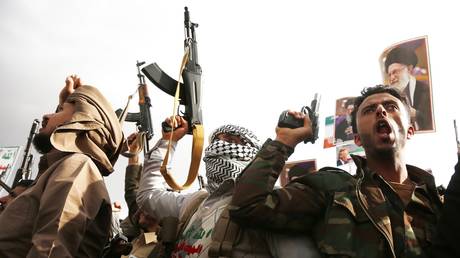
The Houthis continue to strike Saudi Arabia despite Riyadh’s threats of a forceful response and promises to enlist outside partners to defend the kingdom.
By targeting airports and oil infrastructure, Ansar Allah is seeking to raise the cost of Saudi involvement in Yemen’s conflict and force the kingdom’s leadership to reconsider the terms of a settlement.
The latest wave of Houthi attacks has targeted facilities of particular importance to Saudi Arabia. On the evening of October 13, a strike hit Saudi Aramco’s headquarters in Dhahran, home to the company’s key management operations. The Saudi Energy Ministry reported a fire, though miraculously no one was killed.
Ansar Allah also claimed strikes on an oil refinery in Riyadh and King Khalid International Airport. The choice of targets suggests the Houthis want to put virtually all of the kingdom’s oil revenue at risk and disrupt its international air connections.
These targets also suggest that the movement is trying to influence Saudi leaders’ decisions directly. Oil infrastructure generates government revenue, airports connect the country to the outside world, and confidence in the kingdom depends on the security of both. Even limited damage can therefore produce an impact far greater than the cost of the weapons used.
What is driving the conflict?The Houthis have their own history of confrontation with Saudi Arabia. The movement emerged in northern Yemen, fought a series of wars against the central government between 2004 and 2010, and seized the capital, Sanaa, in 2014. Its rise was rooted in Yemen’s political system, local conflicts, and the collapse of state institutions. Iranian support strengthened an already established force with its own social base and political objectives.
The Saudi intervention in 2015 cemented Riyadh’s position as the movement’s principal foreign adversary. For the kingdom, the aim was to prevent a hostile force from consolidating power along its southern border and to support Yemen’s internationally recognized government. For the Houthi leadership, the war became both a threat to its survival and a rallying cause. Invoking foreign aggression allowed the movement to portray its struggle for domestic supremacy as a defense of national sovereignty.
That logic remains relevant to the current escalation. Saudi support for an offensive by Yemeni government forces threatens the Houthis’ territorial gains and bargaining position. Striking deep inside the kingdom allows them to raise the price of that support. Their apparent calculation is to make continued Saudi involvement in the war carry a recurring cost on Saudi soil.
The movement’s demands are concrete: an end to strikes, limits on assistance to its Yemeni adversaries, the lifting of transportation and trade restrictions, and agreements on revenues and payments. These issues were under discussion long before the latest escalation. The framework for a roadmap presented by the UN in December 2023 included a nationwide ceasefire, payment of public-sector salaries, the resumption of oil exports, and an easing of restrictions on Sanaa airport and the port of Hodeidah.
By increasing Riyadh’s costs, Ansar Allah hopes to extract concessions and retain control of the territory it has seized. A ceasefire on those terms, however, would consolidate the movement’s position without resolving how power should be shared in Yemen.
Attacks on Saudi Arabia also serve Ansar Allah’s domestic political interests. The movement uses its ability to strike deep inside the kingdom to bolster its standing among supporters. Confrontation with Riyadh also allows the Houthis to cast themselves as Yemen’s defenders against foreign intervention and use that claim to justify their bid for power.








 18.5c
18.5c