Apple spyware warning hits iPhones in 110 countries
Apple spyware warning hits iPhones in 110 countries
Apple is putting one of its most serious security warnings somewhere you are far less likely to miss it: right on your iPhone Lock Screen. directly to CyberGuy that it sent a new wave of threat notifications last week, saying, "We can confirm threat notifications were sent on August 13 to targeted users in 110 countries, and to date we have notified users in over 150 countries in total."
If one of these alerts suddenly appears on your iPhone, do not swipe it away and assume it is another routine security notice. Apple considers these high-confidence alerts that someone has specifically with unusually sophisticated spyware. Here's what the warning means, how to verify it's real and what to do next if Apple says you were targeted.
APPLE PAY TEXT SCAM THREATENS $8,250 LOSS IN 35 MINUTES
New! Free live CyberGuy class: Protect Your Money From Todays Biggest Threats
Join us Saturday, August 29, at 10 AM ET for a free CyberGuy LIVE class covering five simple steps to help defend yourself against AI scams, fraud, identity theft and financial hacks. Kurt "CyberGuy" Knutsson will explain how to set up bank alerts, strengthen your account logins, protect your phone number, freeze your credit and help secure your retirement savings against unauthorized transfers. No technical experience is needed. Youll also receive our financial protection checklist, and every registrant will get a link to the class recording afterward.
Reserve your free spot today at CyberGuyLive.com.
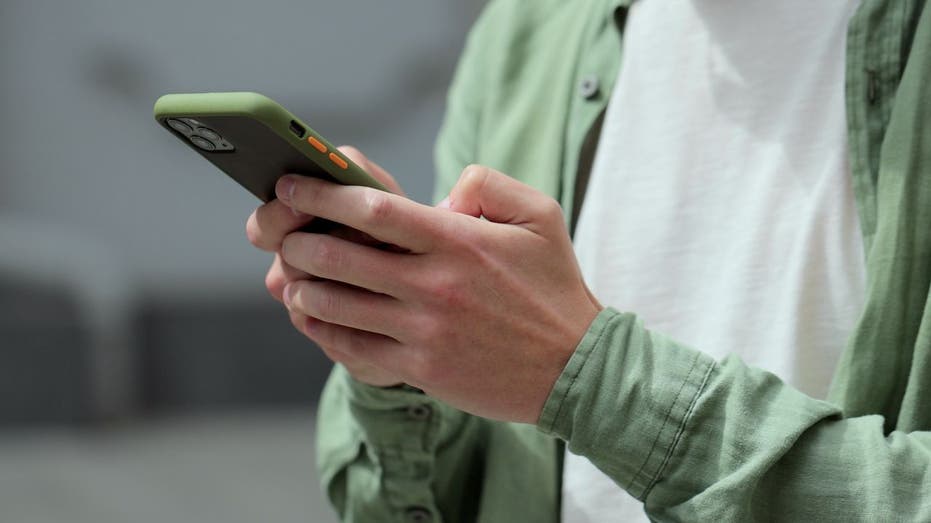
Apple says it updated its threat notifications with a new user experience designed to make important information and recommended security steps easier for recipients to access. A threat notification can now appear directly on the iPhone Lock Screen and in Settings. Apple also sends an email to addresses associated with your Apple Account. In addition, a warning appears after you sign in at Apple's account website.
The Lock Screen message warns: "Apple detected a mercenary spyware attack targeted at your iPhone. There are actions you can take now to protect your data and device." That wording is alarming for a reason. Apple says mercenary spyware attacks are far more sophisticated than the malware and scams most of us encounter. Attackers can spend extraordinary amounts of money targeting a very small number of people.
The good news is that receiving a warning does not automatically mean the spyware successfully . It means Apple detected activity indicating that you were individually targeted. Still, this isnt an alert I would ignore.
Most iPhone owners will probably never encounter one of these warnings. Apple says these attacks have historically targeted people because of who they are or what they do. Past targets have included journalists, activists, politicians and diplomats. The attacks have also been linked through public research and reporting to state actors and private companies that develop surveillance tools on their behalf.
Apple does not identify a specific attacker or country when it sends a notification. The company says revealing too much about how it detects these campaigns could help spyware operators change their methods.
This part is especially important because you can bet scammers will try to copy these warnings. A fake alert could claim your iPhone was hacked and then send you to a phony Apple login page. The crook's real goal may be stealing your Apple Account credentials.
Apple says its genuine threat notifications will never ask you to click a link, open a file, install an app or profile, or give someone your Apple Account password or verification code by email or phone.
Rather than trusting an unexpected email, ope







 37.4c
37.4c