Autonomous excavators are digging with empty cabs
Autonomous excavators are digging with empty cabs
If you have ever driven past a construction site and watched an excavator moving huge piles of dirt, you probably figured there was an experienced operator sitting in the cab. On some job sites in Texas and Nevada, there is nobody in that seat.
San Francisco-based Bedrock Robotics has autonomous excavators doing real commercial earthwork with no operator onboard. The company says the deployments follow a year of testing on active job sites with human supervision.
Seeing AI take over software tasks is one thing. Watching it control a massive excavator on a live construction site feels very different. Bedrock says this could help contractors deal with worker shortages and keep projects moving more efficiently. Here's how the technology works and what could come next.
Missed CyberGuy LIVE? Watch the Protect Your Money replay
Our free CyberGuy LIVE class, Protect Your Money From Todays Biggest Threats , has ended, but you can still watch the full replay and download our financial protection checklist. Kurt "CyberGuy" Knutsson walks you through five simple ways to help defend yourself against AI scams, fraud, identity theft and financial hacks. Youll learn how to set up bank alerts, strengthen your account logins, protect your phone number, freeze your credit and help secure your retirement savings against unauthorized transfers. No technical experience is needed.
Get the free replay and checklist now at CyberGuyLive.com
100 KODIAK DRIVERLESS TRUCKS ARE HEADED FOR PUBLIC ROADS
Bedrock says its operator-free excavators are now active on major infrastructure projects. One machine is working on a Nevada water treatment facility with Sundt Construction. In Texas, Bedrock is working with Champion Site Prep on a multimillion-cubic-yard earthwork project.
The company also has a 1.2 million-cubic-yard civil sitework project with Zachry Construction Corporation. The current work centers on rough early earthmoving and foundation prep.
The company is concentrating on clearing earth, cut-and-fill operations and rough cuts before moving into more detailed work. That makes sense because earthwork comes early in a project. If crews fall behind there, everything that follows can feel the delay.
Bedrock measures excavator productivity by the cubic yards of earth moved during a shift, a company spokesperson tells CyberGuy.
How much earth a machine should move depends on the project, soil conditions and the rest of the equipment involved. Still, the spokesperson says, "As of our deployments in August 2026, two years after the company was founded, we are already near human-level productivity."
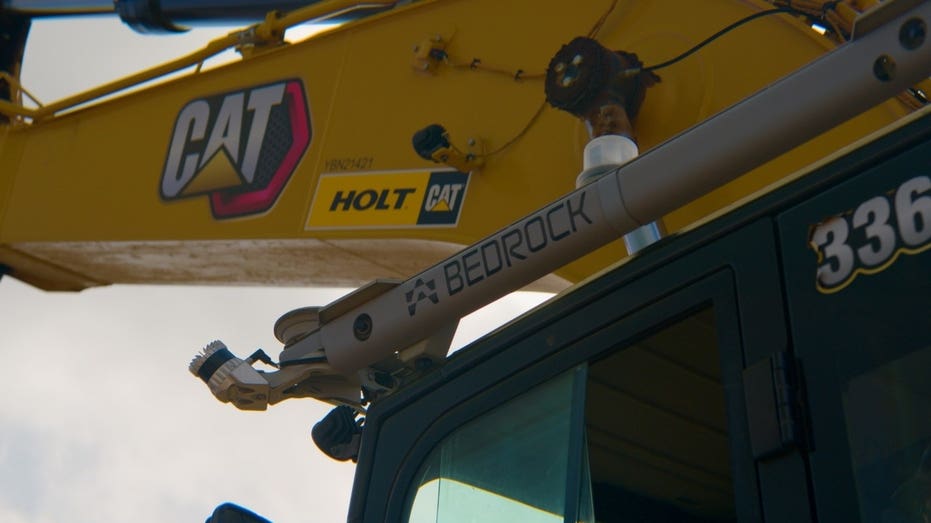
Bedrock calls its system the Bedrock Operator. The company designed it as a retrofit for existing heavy equipment. Bedrock says crews can install its sensor and computing package in a day without permanent changes to the machine. Once a site manager sets the initial plan, the software takes over the digging work. Bedrock says its machine-learning system can understand the surrounding area and plan movement. It can then carry out complex tasks.
The company says it trained the system on tens of thousands of hours of field work. However, there is an important detail about the current rollout. Bedrock is deploying new excavators that it outfitted and tested at its own facilities. When we asked when the system would begin operating on contractors' existing equipment, a Bedrock spokesperson said the company has no update to share yet but hopes to have more soon. So the retrofit model remains central to Bedrock's plan. The live operator-free deployments are still








 39.4c
39.4c