Bringing back the Monroe Doctrine is the ideal America First strategy
Bringing back the Monroe Doctrine is the ideal America First strategy
More than 200 years ago, President James Monroe established a simple principle: the security of the United States is directly tied to the security of the Western Hemisphere. Today, that principle is just as vital. With communist China expanding its influence throughout Latin America and transnational criminal organizations threatening American communities, it is time to reaffirm the Monroe Doctrine and put American interests first in our own hemisphere.
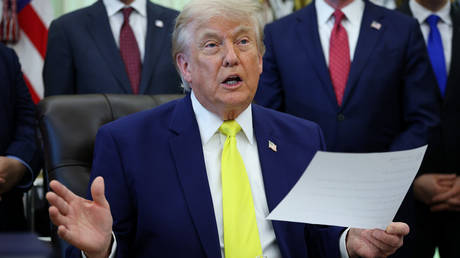
President 's efforts to expand military training and security cooperation with Latin American partners represent the exact forward-thinking America First policies our national security demands. Deploying elements of the 10th Mountain Division to Panama for jungle training and joint exercises marks an important step toward strengthening the Shield of the Americas initiative.
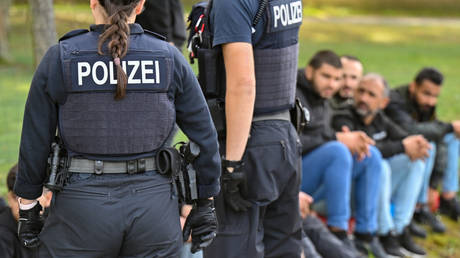
By strengthening our regional allies, we take the fight to criminal organizations before their operations reach American communities. Providing partners with the training, equipment and intelligence they need helps them dismantle drug-trafficking networks, disrupt smuggling routes and stop deadly drugs before reaching our borders. This protects American interests while allowing allies to take the lead in securing their own countries.
PENTAGON SENDS HUNDREDS OF ARMY TROOPS TO LATIN AMERICA FOR TRAINING AS DRUG-TRAFFICKING CAMPAIGN EXPANDS
The Trump administration is also expanding regional intelligence capabilities by shifting MQ-9 Reaper drones from U.S. Africa Command to U.S. Southern Command. Supporting operations in Colombia and Ecuador, these aircraft deliver critical surveillance to track trafficking networks across remote jungles, borders and maritime routes. Combined with greater intelligence sharing and coordinated operations, these efforts help dismantle criminal networks at the source.
However, drug trafficking is only one part of the threat. During a recent congressional delegation trip to Ecuador, Peru and Colombia, we saw firsthand the growing influence of communist China. Beijing has spent years expanding its economic and strategic footprint through investments in ports, mining operations, critical infrastructure and key industries. These investments are not simply about trade; they give China leverage over regional economies, access to critical resources and influence over historically reliable American partners.
TRUMP ADMIN'S LIST OF US-DESIGNATED 'FOREIGN TERRORIST' GROUPS IN LATIN AMERICA EXPANDS TO 21
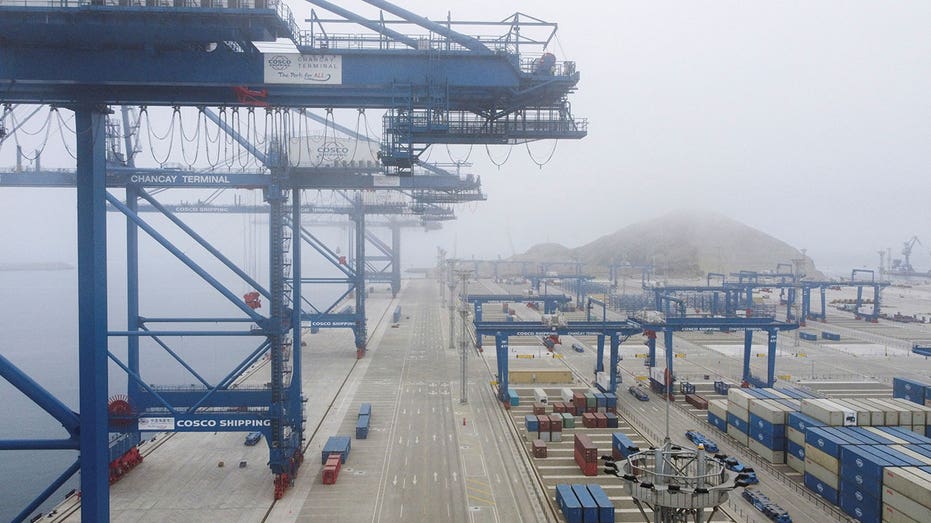
One of the clearest examples is the Port of Chancay in Peru. Built and operated by Chinese state-owned COSCO, this deep-water port has the capacity to transform trade between South America and Asia. While increased trade benefits Peru's economy, China's control of critical infrastructure raises serious security concerns regarding intelligence collection, logistical support or future military use. The United States cannot stand by while our greatest strategic competitor establishes a foothold in our backyard.
While in Peru, our delegation met with U.S. Ambassador Bernie Navarro, who is actively