Defund the police betrayed Black America. I'm rebuilding what activists broke
Defund the police betrayed Black America. I'm rebuilding what activists broke
In my neighborhood on the South Side of Chicago, too many of our residents, especially the children, fear the police. They have been taught that the police are not their friends, that officers might shoot them, arrest them for being Black, and that they are their enemies. I do not believe any of this, and I have sought to correct these misperceptions, which could have fatal consequences.
I recently invited several Chicago police officers to visit my community center, Project H.O.O.D. They came in full Chicago blue uniforms, with their police visor caps with the checkered bands, and their guns. At first, there was tension in the room. You could feel it. Some of the kids hid behind the adults, some of whom stood defiantly. The gulf was profound, and that is why I invited the police in to do my part to repair the damage done by the defund the police movement, one encounter at a time.
This damage goes back years, a lifetime for most of our youth who know nothing but hostility to the police. For more than a decade, Black Lives Matter and its allies conditioned a generation to treat the police as the problem. Fear and hatred of the police had always been there to some degree in the Black community.
CONTROVERSIAL SOCIALIST CHEF FLIP-FLOPS ON ABOLISH THE POLICE, SAYS SHES SERIOUS ABOUT PUBLIC SAFETY
But there was something different about this conditioning, which began to take off after Trayvon Martins death in 2012. When George Zimmerman was acquitted, the phrase "Black Lives Matter" was born, and the message that began to spread was that the police were hunting Black boys. Zimmerman was not a police officer, but for the sake of the narrative, he was made the stand-in as the neighborhood vigilante.
Michael Browns death in Ferguson in 2014 only reinforced the narrative. "Hands up, dont shoot" became a slogan that was not true. Brown did not have his hands up — instead, he charged the cop, but the image of a White cop and a dead Black teen was all the narrative needed to continue. Police officers nationwide were demonized as an occupying force rather than neighbors with badges.
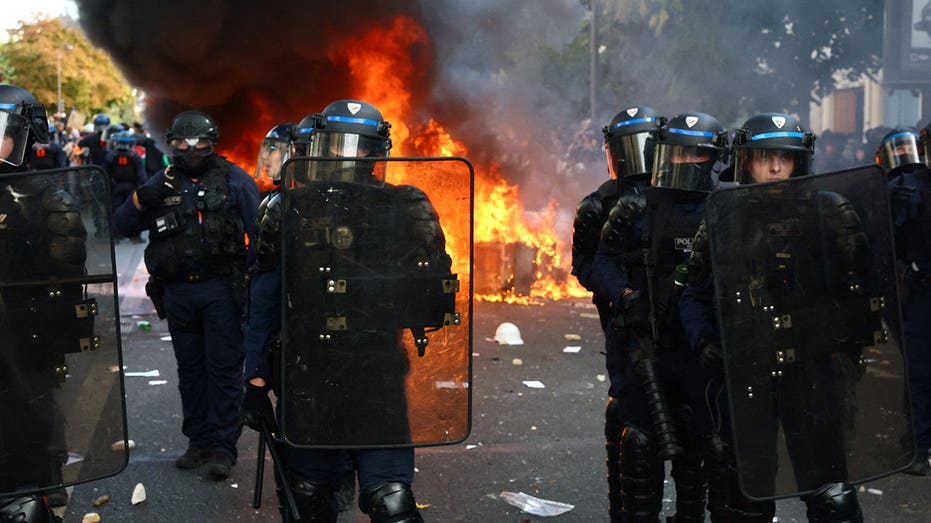
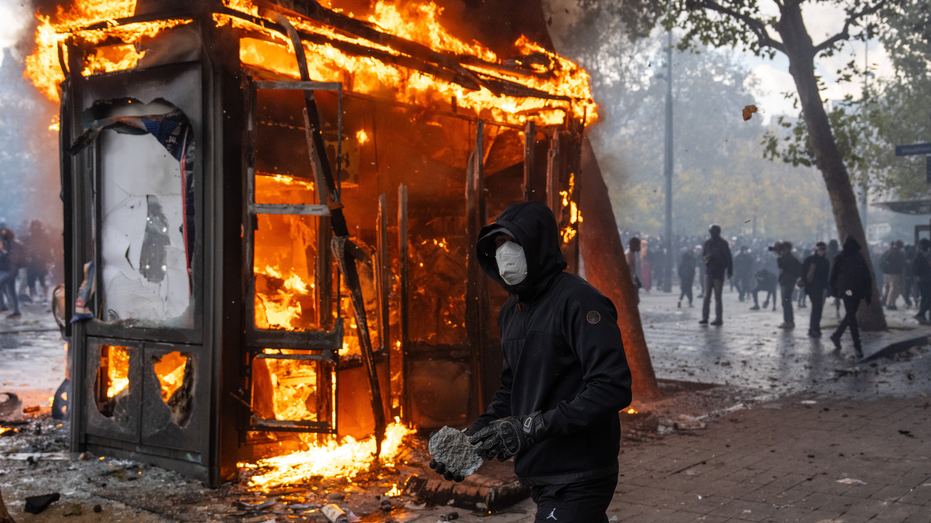
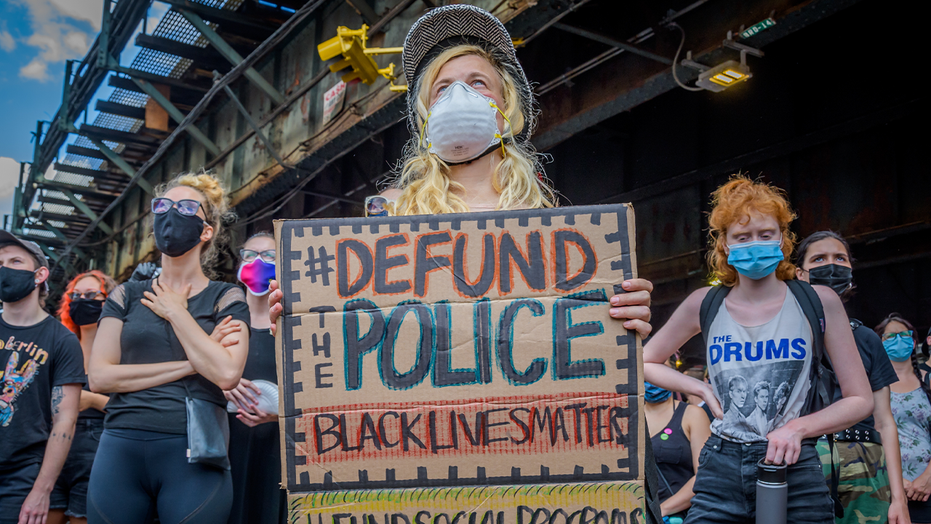
By the time George Floyd died in Minneapolis in 2020, the groundwork had already been laid. The New York Times published its May 30 opinion piece titled "No More Money for the Police," arguing that the path to safety was to reduce police power and contact with the public and redirect the money elsewhere. In Minneapolis, a majority of the City Council stood in a park and pledged to dismantle the police department. The loudest voices were not asking for better training or more accountability. They wanted abolition.
When I heard that, I knew one thing: it would be us who paid the price. Not the folks living in leafy suburbs with Black Lives Matter signs in their front yards. And the impact was felt immediately. No police officer wanted to risk going viral. They pulled back. And, shamefully, many in my community demanded that.
In 2019, Chicago recorded roughly 500 homicides. In 2020, that number climbed to 781. In 2021, it reached 804 — the citys deadliest year in a quarter-century. The spike was national — FBI data showed murders rose nearly 30% in 2020, the largest single-year increase on record, with Black Americans hit even harder. Chicagos South and West Sides absorbed a disproportionate share.




 19.5c