Floating solar panels could save cities millions. Is your town next?
Floating solar panels could save cities millions. Is your town next?
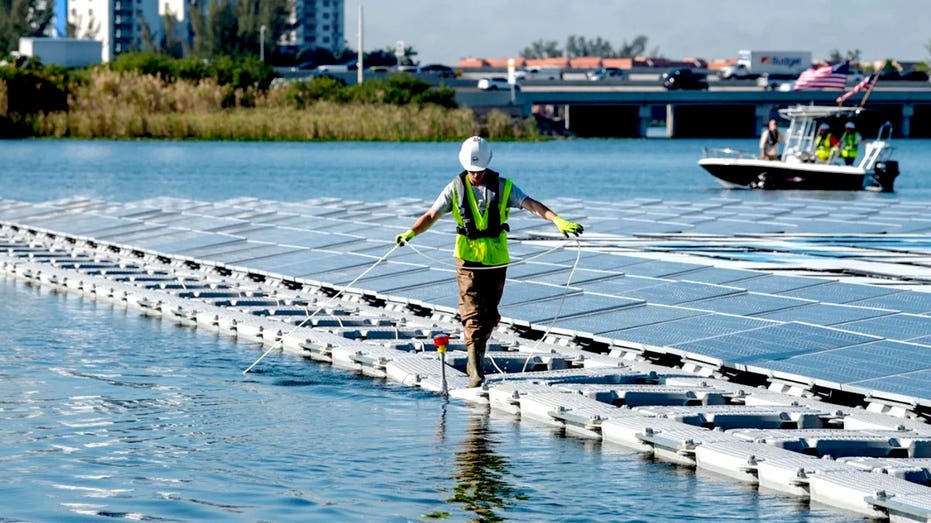
What if your town could build a solar farm without giving up acres of valuable land? Lima, Ohio, is trying something different. The city has completed a 2-megawatt solar array that floats on the Twin Lakes Reservoir, its primary drinking water source.
More than 3,000 solar panels now sit on the water and feed electricity to the nearby water treatment plant. The city projects the system will save nearly $10 million in electricity costs over its lifetime. That kind of savings could get the attention of cities far beyond Ohio.
So, could floating solar panels eventually show up on a reservoir near you? Here's how the technology works, why cities are interested and what it could mean for your community.
Missed CyberGuy LIVE? Watch the Protect Your Money replay
Our free CyberGuy LIVE class, Protect Your Money From Todays Biggest Threats, has ended, but you can still watch the full replay and download our financial protection checklist. Kurt "CyberGuy" Knutsson walks you through five simple ways to help defend yourself against AI scams, fraud, identity theft and financial hacks. Youll learn how to set up bank alerts, strengthen your account logins, protect your phone number, freeze your credit and help secure your retirement savings against unauthorized transfers. No technical experience is needed.
Get the free replay and checklist now at CyberGuyLive.com
WHO PAYS FOR US POWER BOOM? BLUE, RED STATES OFFER STARKLY DIFFERENT WAYS TO LOWER UTILITY BILLS AMID AI SURGE
Lima officially celebrated the completion of its Twin Lakes Floating Solar Project on Aug. 12. The final system includes 3,120 solar panels spread across about 3.6 acres of water, according to developer D3Energy. The 2-megawatt array sits on Lima's primary drinking water reservoir. That reservoir serves roughly 35,000 residents.
Next door, the city's water treatment plant processes about 14 million gallons of water each day. It also consumes more electricity than any other city facility. That makes the plant an obvious place to look for energy savings. Lima projects the floating solar system will save nearly $10 million in electricity costs over its lifetime. Earlier city estimates put first-year savings at roughly $200,000. For a city utility, that is serious money. Actual lifetime savings will depend on factors including future electricity prices and how the system performs over time.
Instead of attaching panels to racks planted in the ground, engineers mount them on floating platforms. Anchors and mooring lines keep the array in position.
Lima uses Ciel & Terre's Hydrelio floating system. Its anchoring setup connects to the banks and reservoir bottom. The design also allows the array to move as water levels change. The project uses bifacial , which can capture light on both sides.
Electricity travels from the array to eight inverters onshore. From there, the electricity helps power the water treatment plant. The result looks a bit like a traditional solar farm that traded grass for water.
Here is where the idea gets particularly interesting. Land costs money. It also competes with housing, businesses, agriculture and other development. Reservoirs already occupy space. Lima's floating array covers about four acres.
A land-based system producing the same amount of electricity would reportedly need at








 29.6c
29.6c