Pilotless cargo aircraft could change how packages move
Pilotless cargo aircraft could change how packages move
A broken pump on an offshore platform, or medical supplies needed after a hurricane can be tough to move quickly. The FAA just tested one possible solution: a hybrid-electric cargo aircraft that can take off vertically and fly without a crew onboard.
The FAA announced that Elroy Air and the Louisiana Department of Transportation and Development conducted a cargo demonstration at Houma-Terrebonne Airport in Louisiana. The agency says it was the first remotely piloted aircraft test flight under its eVTOL (electric vertical takeoff and landing) Integration Pilot Program, known as eIPP.
That may sound like a specialized aviation test, but the bigger story is what aircraft like this could eventually do. Elroy Air's Chaparral can carry more than 500 pounds, putting it in a very different league from the small delivery drones you may picture hovering over a driveway.
So, could pilotless aircraft like this eventually change how everything from emergency supplies to everyday goods moves across the country? Here's what the FAA is testing and why it could be a big deal.
MISSOURI TESTS MEDICAL DRONES TO SPEED UP RURAL HEALTH CARE
Missed CyberGuy LIVE? Watch the Protect Your Money replay
Our free CyberGuy LIVE class, Protect Your Money From Todays Biggest Threats, has ended, but you can still watch the full replay and download our financial protection checklist. Kurt "CyberGuy" Knutsson walks you through five simple ways to help defend yourself against AI scams, fraud, identity theft and financial hacks. Youll learn how to set up bank alerts, strengthen your account logins, protect your phone number, freeze your credit and help secure your retirement savings against unauthorized transfers. No technical experience is needed.
Get the free replay and checklist now at CyberGuyLive.com
The FAA created eIPP to help the government learn how next-generation aircraft can operate safely in U.S. airspace. In March, the Department of Transportation selected eight projects across 26 states. Louisiana is one of the participants, and more test flights are planned through the rest of 2026. FAA Administrator Bryan Bedford said the Louisiana demonstration provides data that can help "turn these concepts from trial to deployment."
That line gets to the heart of this test. Chaparral has flown before. In December 2025, Elroy Air completed its first point-to-point cargo delivery with the aircraft. During that demonstration, Chaparral autonomously carried 213 pounds over a 2.6-mile flight. What changed here is the regulatory setting. The FAA now gets to study these flights as part of a federal program focused on bringing advanced aircraft into the national airspace.
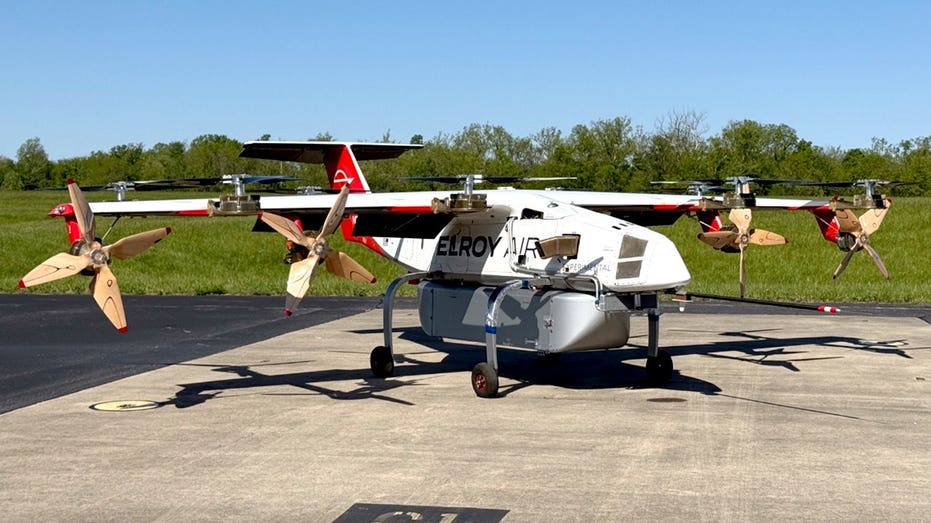
Chaparral looks more like a small cargo aircraft than the It uses electric propulsion for vertical takeoff and landing. Then it transitions to wingborne flight for the longer part of the trip. A hybrid-electric powertrain gives the aircraft longer-range capability without requiring charging infrastructure at every stop. Elroy Air's current Chaparral specifications list a maximum range of 450 miles and a payload of more than 500 pounds.
The cargo system is unusual, too. Elroy designed modular pods that workers can load before the aircraft arrives. Chaparral can pick up a pod, fly it to another location and leave it there. That could reduce the amount of ground equipment needed at remote sites. Because it can take off vertically, Chaparral can serve locations that lack a traditional runway.
There is an important








 35.6c
35.6c