The Houthis aren't somebody else's problem. America can't afford to look away
The Houthis aren't somebody else's problem. America can't afford to look away
Some in Washington would like to believe the Houthis are somebody elses problem. It is easy to understand why. America is already deeply engaged in the war with Iran, and there is little appetite for widening the battlefield with the midterm elections approaching. The Houthis have also cynically given Washington a reason to limit its involvement by signaling that American shipping will not be targeted.
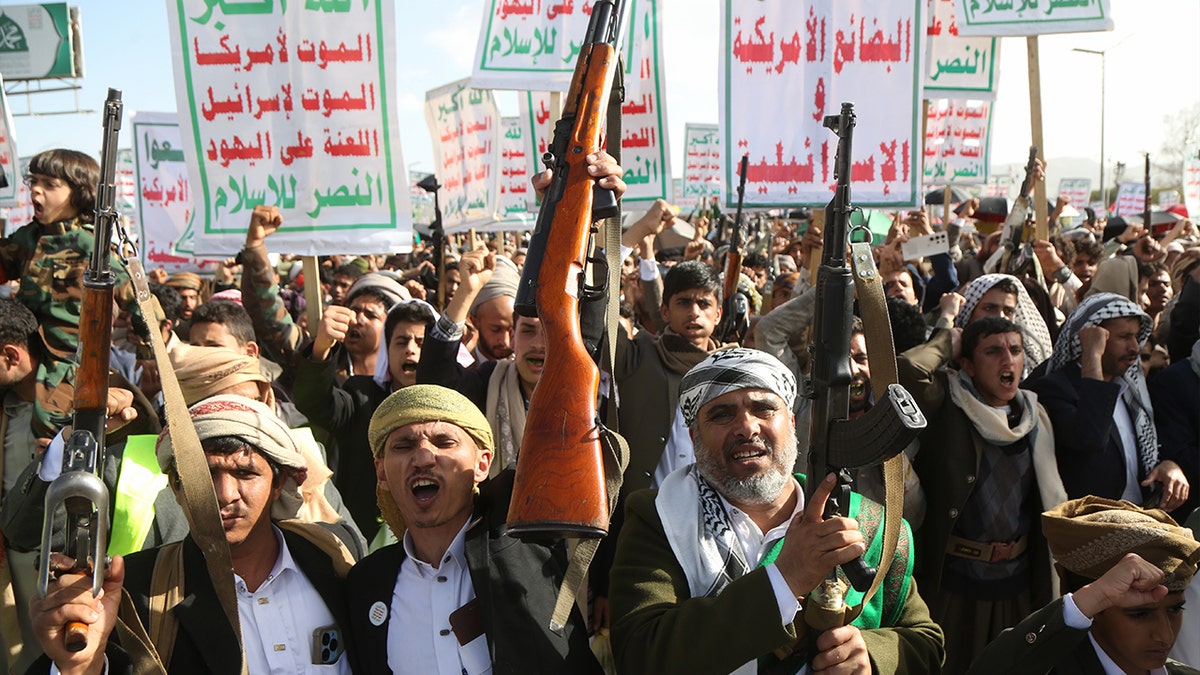
But Yemen is not a separate conflict. — a U.S.-designated foreign terrorist organization aligned with Iran and armed and supported by Tehran — are waging a campaign against Yemens Saudi-backed government that forms part of the same regional confrontation.
The good news is that the war is beginning to move in the right direction for the Yemeni government, although the battle will be challenging and, like all battles, will have its ups and downs. Government forces, supported by Saudi air power, have expelled the Houthis from some strategically important areas around the Bab el-Mandeb and are demonstrating their capacity to operate effectively. These gains remain vulnerable, but the battlefield momentum is encouraging.
SAUDI ARABIA TELLS TRUMP NOW IS THE TIME FOR MILITARY ACTION AS IRAN-BACKED HOUTHIS ADVANCE
It also changes the calculation of American involvement. The United States is already providing Saudi Arabia with intelligence and targeting support while stopping short of direct strikes. That assistance is valuable. American satellites and other surveillance systems can help locate missile batteries, drone facilities, command centers and mobile launchers.
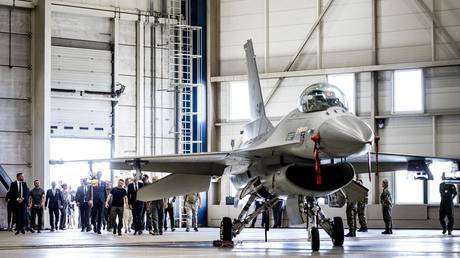
Direct American air power could make that intelligence considerably more effective. U.S. aircraft can operate directly within American intelligence, surveillance and targeting networks, allowing information gathered by satellites and other sensors to move rapidly through the sensor-to-shooter chain. Saudi aircraft can also receive sophisticated U.S. and allied targeting information, including through interoperable systems, but intelligence shared with a partner may require additional dissemination, release and command steps before reaching the aircraft assigned to strike. Even a short delay matters when a mobile missile launcher can fire, relocate and disappear within minutes.
Placing American aircraft directly inside this sensor-to-shooter loop could therefore shorten the time between detecting and attacking a target. A limited American role could concentrate on mobile missile launchers, drone facilities and other time-sensitive assets rather than expand into a large or open-ended campaign. It would allow intelligence Washington is already collecting and sharing to be exploited with greater speed and effect.
Direct U.S. Air Force involvement would therefore be very helpful, but it is not critical to the campaigns success. Saudi Arabia has the aircraft, intelligence capabilities and resources necessary to support the Yemeni government, while Yemeni troops are proving capable of conducting the ground fighting themselves. Washington, however, could make the campaign faster and more effective without assuming responsibility for the war.
IRAN-BACKED HOUTHI THREAT IN RED SEA COULD LEAD TO MAJOR US POLICY SHIFT, ANALYSTS SAY
This dist




 16.4c
16.4c