Trump is dismantling Irans war machine, but America still needs an endgame
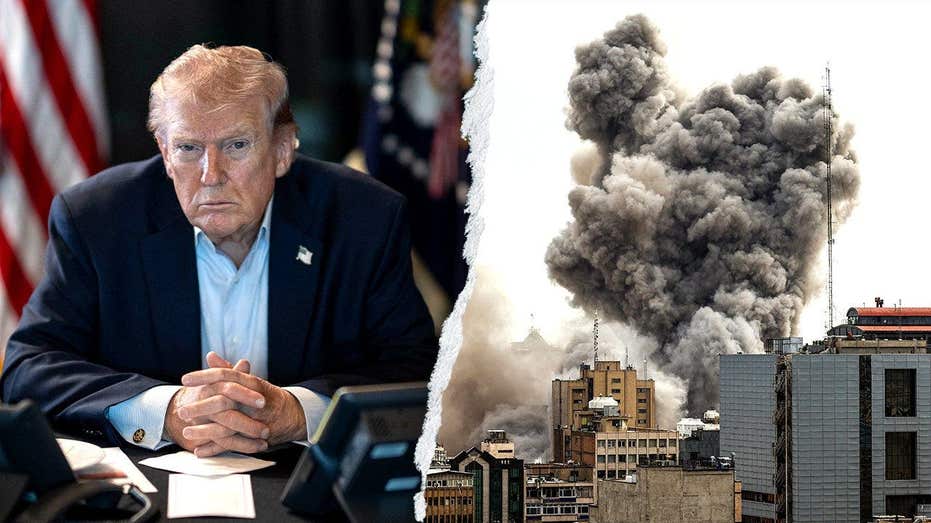
Trump is dismantling Irans war machine, but America still needs an endgame
For nearly half a century, the Islamic Republic of more than Tehran feared attacking American interests. The regime sponsored terrorism, armed proxies, threatened international shipping and targeted U.S. forces while exploiting American fears of "escalation." President Donald Trump has begun to reverse that equation.
The latest strikes matter not simply because Iranian radar, air defenses and maritime assets have been destroyed, but because Washington is imposing a principle Tehran understands: aggression will expose and diminish its military power. For a theocracy that built regional influence by convincing adversaries that retaliation was more dangerous than accommodation, this fundamentally changes the balance of fear.
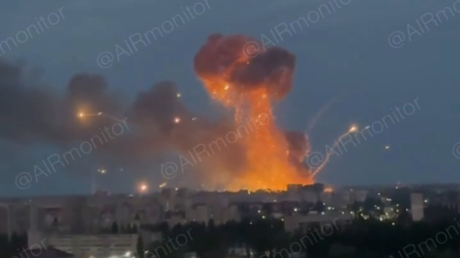
The latest confrontation in the Persian Gulf illustrates that change. U.S. Central Command said its Sept. 1 operation struck Islamic Revolutionary Guard Corps (IRGC) air defenses, radar systems, maritime assets, mine-laying capabilities and communications sites after attempted Iranian attacks on commercial shipping and U.S. service members. Tehran responded with missiles and drones aimed toward Jordan, Kuwait and Bahrain.
TRUMP RETALIATES AFTER IRAN ATTACK AS EXPERT WARNS REGIME IS GROWING MORE DANGEROUS
The attacks demonstrate that Iran remains dangerous, but not strategically strong. Possessing missiles capable of inflicting damage is not the same as possessing the power to dictate a conflicts outcome. Each attempt to rebuild its machinery of aggression creates new vulnerabilities for American intelligence and military power to exploit.
This is one of the most consequential achievements of current U.S. policy. For years, Tehran followed a favorable cycle: build military capabilities, use them directly or through proxies, absorb a limited response, wait for calls for "de-escalation" and rebuild. Washington mistook restraint for deterrence. But deterrence exists only when aggression reliably leaves an adversary worse off, and the Trump administration is restoring that principle. When the IRGC rebuilds radar, surveillance or other capabilities threatening American forces and international commerce, Washington need not accept their restoration. Tehrans reconstructed assets can instead become new liabilities.
IRAN PROVES THAT IT MIGHT CHANGE ITS MILITARY LEADERS, BUT ITS NOT CHANGING STRATEGY
Nowhere is this transformation more important than in the Strait of Hormuz. The Islamic Republic has long treated the Persian Gulf as a geopolitical hostage. Tehran never needed to defeat the U.S. Navy; it needed only to make this vital waterway dangerous enough to frighten shipping companies, insurers, energy markets and governments. Missiles, drones, mines and fast boats became instruments of economic coercion.
America is now challenging that blackmail by protecting shipping while degrading Irans maritime surveillance and offensive capabilities. The same geography that gives Tehran leverage also exposes the infrastructure on which its ability to threaten international commerce depends.
IRAN WARNS SHIPS OF 'FORCEFUL RESPONSE' AS US-BACKED HORMUZ ROUTE CHALLENGES TEHRAN'


 29.5c
29.5c