Trump's chief of staff almost skipped screening that detected aggressive cancer
Trump's chief of staff almost skipped screening that detected aggressive cancer
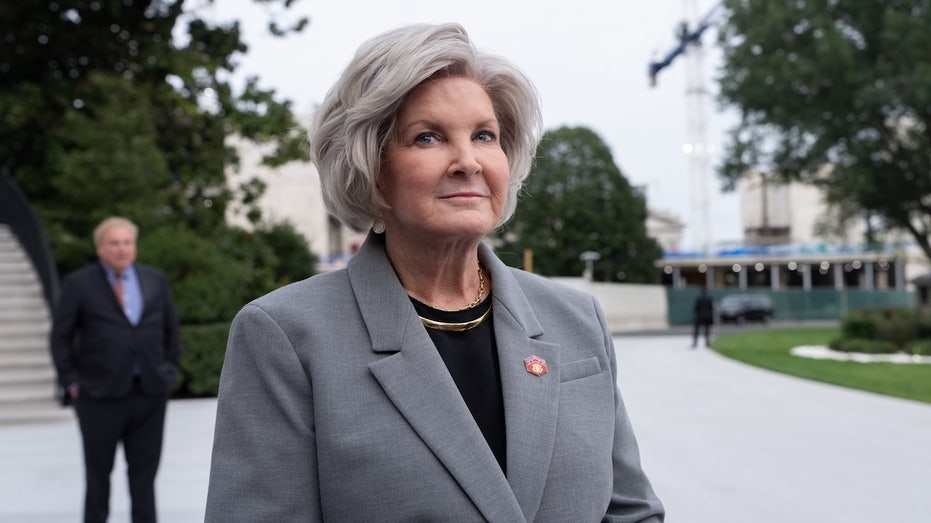
Susie Wiles, the White House chief of staff, recently shared that she is after a diagnosis of an aggressive form of breast cancer.
Wiles, 69, who became the first woman to hold the chief of staff role in January 2025, was diagnosed in March 2026 and underwent six months of treatment, according to public reports.
On Sept. 16, she shared on X that her pathology results from Mayo Clinic had come back clear, stating, "I am cancer-free."
TRUMP PRAISES SUSIE WILES CANCER FIGHT IN SURPRISE GALA VIDEO: WINNING IT DECISIVELY
Wiles recently shared some additional details of her cancer journey with Fox News Digital.
Wiles diagnosis came as a complete surprise, as she had and no indications that anything was wrong, she said.
"I felt fine. I was working every day in one of the most demanding jobs imaginable. There was nothing telling me that I had cancer," she told Fox News Digital.
Wiles had gone in for her annual checkup. She wasnt due for her until several months later, but the machine happened to be available that day.
"My doctor asked if I wanted to get it out of the way," she said. "I told him I wasnt due for another few months and Id come back."
Wiles doctor insisted that she proceed with the scan, as he knew that her jobs busy schedule would make scheduling a challenge.
"He said, essentially, Youre here. The machine is available. Lets do it now. Thank God he insisted."
The mammogram detected Wiles aggressive at an early stage.
CANCER TREATMENT DELAYS SURGE ACROSS US AS DOCTOR WARNS SYSTEM NEEDS FIXING IMMEDIATELY
"Had he not encouraged me to do it that day, I would have gone back to work and probably not thought about it again until July," she said.
"We would be having a very different conversation in that case. Four months may not sound like a long time, but with cancer, early detection matters. I will always be grateful to my doctor for knowing me well enough to insist."
While the physical effects of are well-known, Wiles emphasized that there is also a mental and emotional toll.
"There were hard days. I dont want to minimize that or make cancer sound anything less than it is — brutal and unrelenting," she said.
"You wake up thinking about it. Sometimes you go to sleep thinking about it. There is always another appointment or test result somewhere on the horizon."
Wiles credits her "exceptional" doctors and nurses, as well as her family, friends and colleagues, for supporting her through the process. Her faith also sustained her, she added.
JUST 5 MINUTES OF PRAYER COULD HAVE SURPRISING HEALTH BENEFITS, STUDY FINDS
"One of the things I have shared is how cancer can consume both your conscious and subconscious mind," she said. "Even when youre doing something else, its there — treatment, side effects, test results."
"Having people around you who can carry some of that weight matters enormously."
Everyone finds strength in different places when going through hard times, Wiles noted.
"For me, my family, my faith, and continuing to work and serve the president and the country gave me purpose," she said. "Those were the things that reminded me there was so much in my life beyond cancer."
"I was surrounded by people who loved me, prayed for me and supported me. And I that whatever happened, God was with me."







 5.4c
5.4c