Why scammers target veterans and how to fight back
Why scammers target veterans and how to fight back
while the rest of the country pauses to honor the fallen, scammers are doing something else entirely. They're running searches.
They're pulling Cross-referencing VA enrollment data. Mapping disability ratings. And building detailed profiles on the men and women who served this country, then using that information to steal from them.
It's not a side hustle. It's an industry. And veterans, because of the very nature of their service, are uniquely exposed to it. Here's exactly what's happening and what you can do to stop it.
Sign up for my FREE CyberGuy Report
Plus, you'll get instant access to my Ultimate Scam Survival Guide free when you join.
Most people don't realize how much information military service generates and how much of it is semi-public.
When you serve, your records include:
Much of this sits in federal databases, discharge paperwork, and public-facing records that data brokers have learned to scrape, package, and resell. The result: before a scammer ever picks up the phone, they already know more about a veteran than most of the veteran's neighbors do.
If you've served in the U.S. military, you have a DD-214. It's your Certificate of Release or Discharge from Active Duty, and it contains nearly everything a fraudster could want.
Full name. (on older forms). Dates of service. Character of discharge. Job specialty codes. Awards and decorations. Last duty station.
The DD-214 is required for veterans' benefits, employment, and housing applications. That means millions of veterans have submitted it to dozens of agencies, employers, and financial institutions over the years.
It also means copies of it can be sitting in more databases than most veterans ever imagined. Data brokers don't need to hack anything. They pull from public records requests, digitized government filings, and third-party aggregators. Once your DD-214 data is in the broker ecosystem, it gets bought, sold, and refreshed, appearing on people-search sites you've never heard of. And scammers buy it for a few dollars.
The numbers are devastating. According to the Federal Trade Commission's 2024 Consumer Sentinel Network Data Book, military consumers, including veterans, service members and their families, reported $584 million in fraud losses in 2024. That is up nearly 25% from the year before. Veterans and retirees reported the largest share of those losses, at $419 million. The median fraud loss for veterans was $700, which was higher than the $497 median across all FTC complaints.
AARP's 2025 research adds another troubling layer. It found that 27% of veterans, or more than 5 million people, have lost money to fraud. It also found that 39% of veterans have received solicitations from someone claiming to be from the VA or another government agency, and 28% believe their veteran status made them a target.
The VA has also warned that scammers are increasingly targeting veterans because of their government benefits and personal information. These scams often include government impostors, direct deposit fraud, phishing, identity theft, payment redirection and social media scams.
The takeaway is clear: this problem is getting worse, not better. Veterans are not being targeted randomly. Scammers know many have benefits, official records and a long-standing trust relationship with the VA. That makes a fake VA call or benefits message feel more believable, especially when the scammer already has pieces of personal information.
Here's what the process actually looks like from a scammer's perspective.
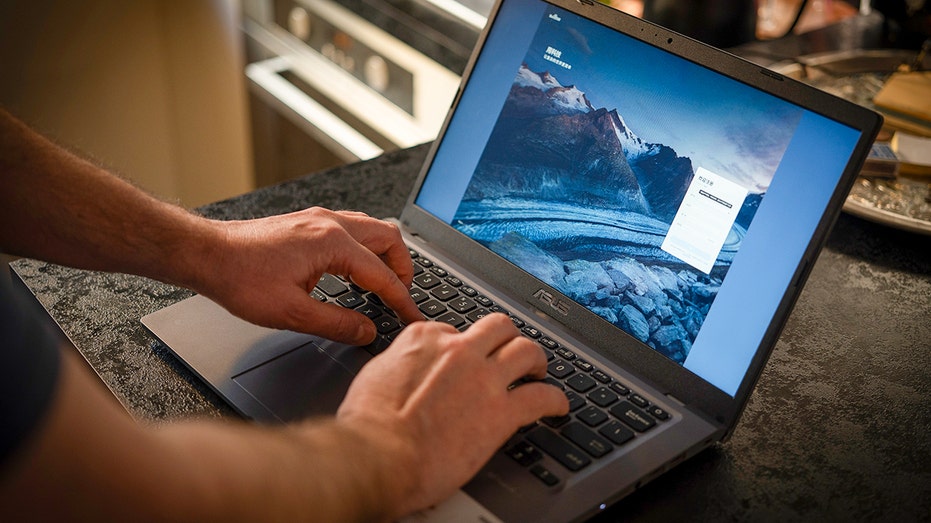
It starts exactly where it starts with any target. They type your name into Spokeo, BeenVerified, Whitepages, or any of dozens of similar sites.
Within seconds, they see your age, home address, and the names of your relatives. For veterans, some profiles also surface military affiliation pulled from public records, LinkedIn, local news coverag







 37.4c
37.4c