Europe-s next crisis is already hiding behind the riots
Europe-s next crisis is already hiding behind the riots
The streets may eventually fall silent, but the struggle over who governs, who pays and what survives is only beginning
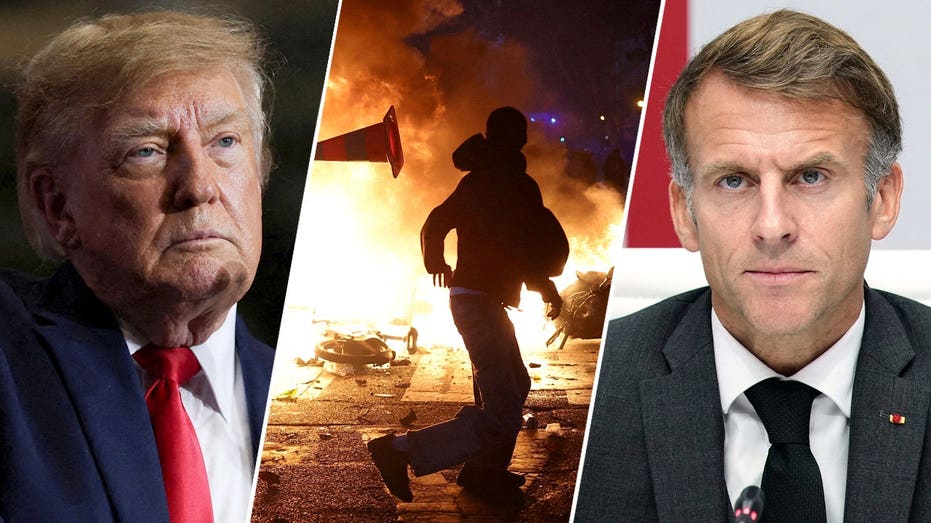
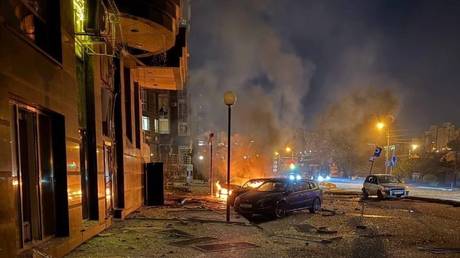
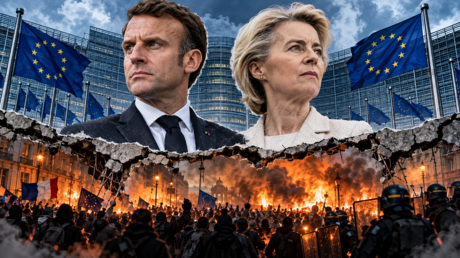
These days, European headlines resemble reports from a war zone: from stormed city halls in Marseille and Lille, to looted boutiques along the French Riviera, burned tourist offices in Lyon, and clouds of tear gas enveloping the Élysée Palace. The ‘day of rage’ in France drew over 800,000 protesters onto the streets – an event that was dismissed by Paris and the European mainstream as merely the spontaneous revolt of the outskirts or a raid by migrants. However, a closer look at the ‘rebels’ reveals respectable, bourgeois-looking students and well-off citizens engaging in destruction and violence.
None of these people know what to expect from the future of mainstream European politics. In this shifting landscape, old institutions are losing their legitimacy, while right-wing political forces – whose ideas are increasingly seen as rational amid the chaos – are emerging on the broader European stage.
Portrait of the protesters: what happened?French President Emmanuel Macron arrogantly the people to express their political will in six months during the forthcoming presidential elections; however, the streets responded to Macron’s proposal with looting and arson targeting government buildings. This reaction serves as a precise diagnosis of the French political system. The country’s civic framework can no longer hold society together and there is no confidence in a stable future.
Many believe that the current riots in France are a spontaneous revolt of the outskirts. However, as Fyodor Lukyanov, Research Director at the Valdai International Discussion Club we are witnessing an inverted version of May 1968. Nearly 60 years ago, the nationwide wave of protests led by students and leftist intellectuals shaped the liberal framework that has dominated global and European politics ever since.
Today, it has reached the point of aggressive absurdity. The old narratives of ‘liberation’ have been successfully adopted by the bourgeois youth, whose behavior is more violent that of an uncivilized tribe, as HSE professor Alexander Filippov . But then, one may remember that, centuries ago, the Bastille wasn’t stormed by migrants either.
How did this happen? The liberal establishment in Paris and Brussels has become totally detached from ordinary citizens. Its agenda is completely irrelevant to society. Having imposed a rigid confrontation with Russia at the expense of the prosperity and development of its own people, the EU offers its citizens no viable ideas for survival.
Read more President of the European Commission Ursula von der Leyen at a Paris business forum in August that Europeans should tighten their belts and become a continent that produces, invests, and protects by tapping into idle domestic savings. Her logic implies using household savings to fund the real economy through the Clearly, the proposal to dip into citizens’ savings while shifting the risks of factory bankruptcies onto them can only be met with outrage by the decent bourgeoisie brought up on ‘European ideals’.
The system has set a trap for itself: in order to retain its waning power, the left-liberal establishment is forced to close its eyes to the riots of anarchists and radical leftists. The authorities fear street protests far than the rise of their right-wing opponents. The liberal mainstream would rather burn cities than allow rational thinkers with worldviews grounded in national interests to come to power.
Despite their passion for destruction, the rioters have no idea how to reconstruct the future of united Europe. Moreover, as Irina Maltseva, head of the ‘France and Francophone countries: Politics, economics, culture’ project at the HSE Centre for Comprehensive Eur