Why Russia wants peace between Iran and the Gulf
Why Russia wants peace between Iran and the Gulf
No short-lived oil-price windfall can compensate for damage done by endless war between partners
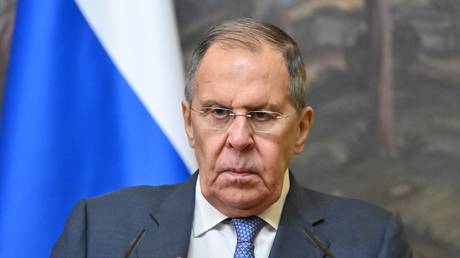
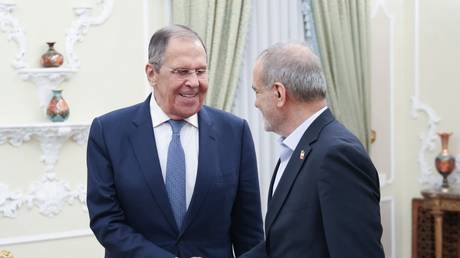
On October 18, Russian Foreign Minister Sergey Lavrov visited Manama, where he attended the ninth ministerial meeting of the Russia-Gulf Cooperation Council strategic dialogue and held separate talks with the foreign ministers of Saudi Arabia and Kuwait. The following day, he traveled to Tehran to meet with Foreign Minister Abbas Araghchi and President Masoud Pezeshkian.
In Manama, discussions centered on de-escalation in the Persian Gulf, maritime security, and Russian proposals for a collective security framework, while bilateral meetings provided an opportunity to clarify individual countries’ positions. Lavrov and his Kuwaiti counterpart stressed the need to reduce tensions quickly and agreed that a political and diplomatic settlement is the only viable way forward. In Tehran, regional affairs featured alongside Russian-Iranian cooperation, with Moscow reaffirming its commitment to economic and investment agreements despite the deteriorating security environment.
Diplomacy between the Gulf’s two shoresThe trip aimed to prevent a new divide between Iran and the Arab monarchies from becoming entrenched, as the consequences of the US-Israeli aggression against Iran are affecting the security of the entire region. Yet rebuilding trust also requires acknowledging that the Gulf states have their own grievances against Tehran over strikes on their territory and threats to maritime routes.
During the Manama talks, Arab representatives explicitly said they hope Moscow would use its relationship with Iran to convey their concerns. Discussions also covered Yemen, maintaining the ceasefire in Gaza, humanitarian access, and the resilience of energy and food supply chains – the various and interconnected sources of instability plaguing the Middle East.
In Tehran, Lavrov reaffirmed Moscow’s support for restoring security and shipping conditions to what they were before the US-Israeli military operation began. Iran, which sees the attack as the primary cause of the current crisis, likewise stated its commitment to resolving disputes through diplomacy. Agreement on broad principles, however, does not yet amount to agreement on the specific obligations that the parties must accept.
Russia could mediate efforts to de-escalate tensions and mitigate the deterioration in relations between Tehran and the Gulf monarchies, since it maintains close ties with Iran while developing political, economic, and energy cooperation with the Arab states. These relationships allow Moscow to relay messages, identify the scope for compromise, and facilitate direct dialogue, which can easily give way to competing ultimatums during a crisis.
However, this two-way access does not mean Moscow can dictate what its partners actually decide, and its closeness to Tehran may raise questions among Arab participants. The effectiveness of Russian mediation will ultimately depend on whether the parties themselves are willing to negotiate, acknowledge one another’s concerns, and take practical steps to address them.
Inclusive security as an alternative to permanent crisisIn Manama, Lavrov once again presented Russia’s updated concept of collective security in the Persian Gulf as a potential contribution to a lasting settlement. The proposal continues a longstanding initiative rather than a document developed solely for this visit. As early as June, he reported that updated proposals had been circulated to regional capitals and that Moscow was receiving initial responses.
The approach rests on the premise that the Arab monarchies and Iran must take part in a shared framework, because attempts to secure one group of states by isolating another reproduce the causes of confrontation. Confidence-building measures and regular contact are intended to reduce uncertainty gradually, while the Gulf countries and their immediate neighbors should have the