MORNING GLORY: Trump must go to war on the airwaves to stop Democrats blue-wave blitz
MORNING GLORY: Trump must go to war on the airwaves to stop Democrats blue-wave blitz
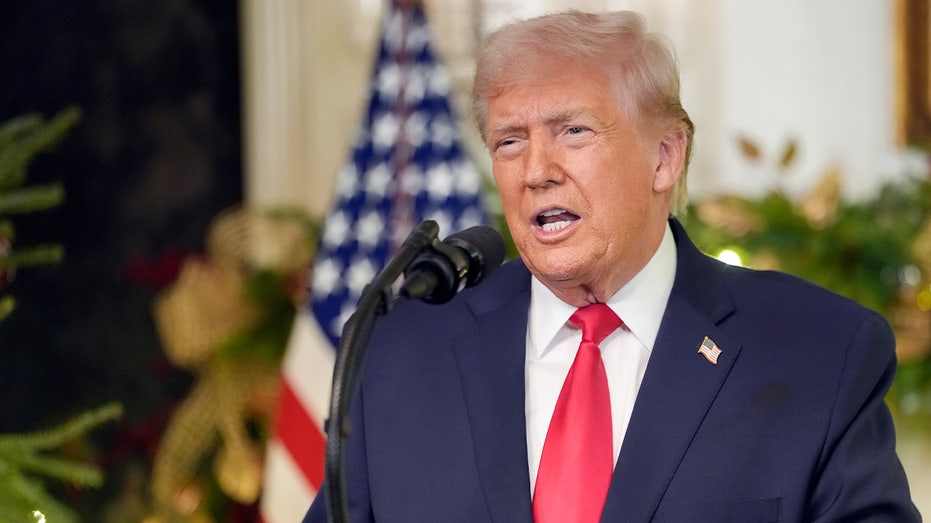
Should President Donald Trump deliver a prime-time address next week with the avowed purpose of impacting the elections nationwide?
Yes. Absolutely yes.
President Trump is often the best proponent of his own policies, and the much-anticipated "blue wave" would effectively paralyze those policies and his plans to finish the battle with Iran, build the Golden Dome and Golden Fleet, and slow, if not reverse, the regulatory overhaul underway.
Loss of the Senate majority would also mean near-zero chances of confirming any appellate judges or Supreme Court justices. Spending on the Pentagon would also plummet as Democrats return to their long-standing position of insisting that every dollar of increased defense spending must be matched by one for non-defense domestic discretionary spending.
If President Trump makes these arguments directly to voters and names the names of the senators or Senate candidates who are key allies or the Democratic nominees he believes are from the far, far left, the sharpened focus could help mobilize his base to again support his agenda one last time.
There are precedents for such an appeal, and they had mixed results.
On October 24, 2022, President Biden made a direct closing argument for Democrats at Democratic National Committee headquarters, 15 days before Election Day. The expected "red wave" that year was reduced to a ripple.
On October 25, 2006, President George W. Bush held a nationally televised news conference less than two weeks before the midterms. President Bush discussed Iraq and framed the election choice around national security and taxes. It was a news conference, not a formal prime-time address. The GOP got "thumped," to borrow President Bushâs own characterization of the 2006 results.
The takeaway from that limited data set? A speech could work to rally a presidentâs base voters. A press conference wonât.
President Trumpâs rallies around the country have always served as a feedback loop for his messaging. He knows itâs his base that turns out, and he tries out various messages and themes, then amplifies what works and cuts what doesnât in subsequent rallies and in his conversations with the press.
Getting the feedback is particularly important when it comes to turning out the base. As the president has been everywhere in the past month, he has a good idea of what "works" in this campaign cycle.
TRUMP CAMPAIGN INSIDER REVEALS STRATEGY BEHIND MIDTERM BLITZ THAT WHITE HOUSE HOPES PAYS OFF BIG
The Trump PAC may even want to buy network time for an address, or it may simply allow social media to do its thing. A tight 15 minutes would play and play, give birth to ten thousand posts and reels and, crucially, focus the base and independent voters on the stakes, which are very high indeed.
President Trump has got a fine writing staff, but brevity is not second nature to him or them when it comes to speeches. If he does try such a direct appeal, the crucial points I hope he makes in succinct fashion are these:
TRUMP'S UNUSUAL ROLE AT MIDTERM CONVENTION REVEALED AS SCHEDULE GOES PUBLIC





 11.1c