California law puts digital fingerprints on AI fakes

California law puts digital fingerprints on AI fakes
California now wants -made images, videos and recordings to carry a traceable history. The California AI Transparency Act took effect Aug. 2. It requires large generative AI providers to embed hidden provenance information in covered media created by their systems.
That means a suspicious recording may carry clues about which AI system produced it and when. You will no longer have to rely only on how convincing it looks or sounds. Still, these digital fingerprints come with limits. They can reveal details about a file's history, but they cannot determine whether the message inside it is true.
The law also adds requirements for large online platforms beginning in 2027. Newly produced phones, cameras and voice recorders face another set of rules in 2028. Here is how the system will work, where it may fall short and why other states could soon follow California's lead.
New! Free live CyberGuy class: Protect Your Money From Todays Biggest Threats
Join us Saturday, Aug. 29, at 10 a.m. ET for a free CyberGuy LIVE class covering five simple steps to help defend yourself against AI scams, fraud, identity theft and financial hacks. Kurt "CyberGuy" Knutsson will explain how to set up bank alerts, strengthen your account logins, protect your phone number, freeze your credit and help secure your retirement savings against unauthorized transfers. No technical experience is needed. Youll also receive our financial protection checklist, and every registrant will get a link to the class recording afterward.
Reserve your free spot today at CyberGuyLive.com.
IS CYBERBULLYING HIDING IN YOUR CHILD'S GROUP CHAT?
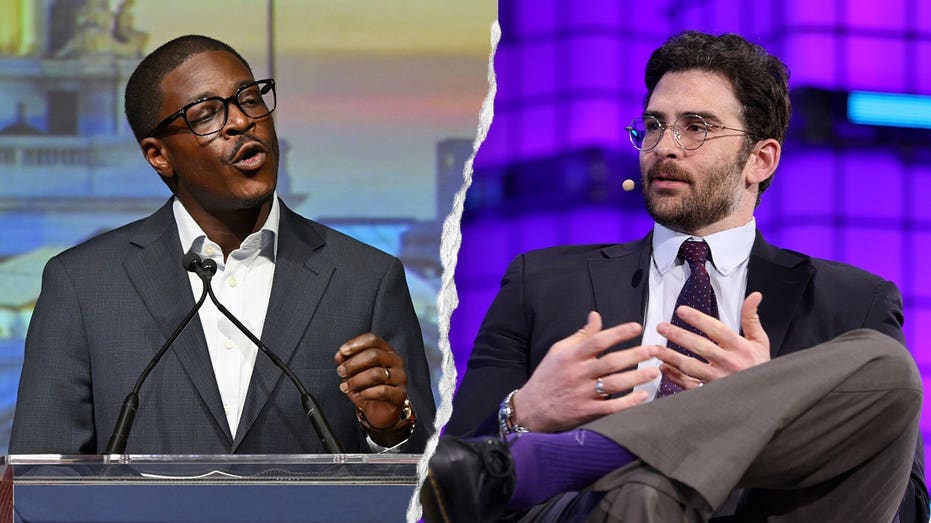
California in 2024. State Sen. Josh Becker authored the legislation, known as SB 942. Lawmakers later expanded its reach through AB 853. The law applies to companies that create generative AI systems with more than 1 million monthly visitors or users. Those systems must also be publicly accessible in California.
California calls these companies "covered providers." They must include a hidden disclosure in AI-generated images, video and audio created by their systems. The law calls this a latent disclosure. When technically feasible and reasonable, the disclosure must convey the provider's name, the name and version of the AI system, the date and time the content was created or altered and a unique identifier.
The disclosure must follow widely accepted industry standards. It must also remain permanent or extraordinarily difficult to remove when technically feasible. The law focuses these hidden disclosure requirements on images, video and audio. It does not require the same embedded disclosure in AI-generated text. Covered providers must also offer users the option to add a visible AI label. That notice must clearly identify the content as AI-generated.
Covered AI providers must offer a detection tool at no cost. The tool must let you upload an image, video or audio file. You can also submit a link to content stored online. It then checks whether that provider's own AI system created or altered the material. The tool must display any system provenance information it finds.
However, a detection tool from one AI company may not identify media produced by another company. Therefore, a negative result does not prove that a human created the content. The law also places privacy limits on these tools. Providers generally cannot collect personal information from users. They cannot keep submitted content longer than necessary either. A violation can bring a $5,000 civil penalty. Each day






 36.9c
36.9c