Starbucks hit with lawsuit over sugar content as experts reveal chain's most sugary drinks
Starbucks hit with lawsuit over sugar content as experts reveal chain's most sugary drinks
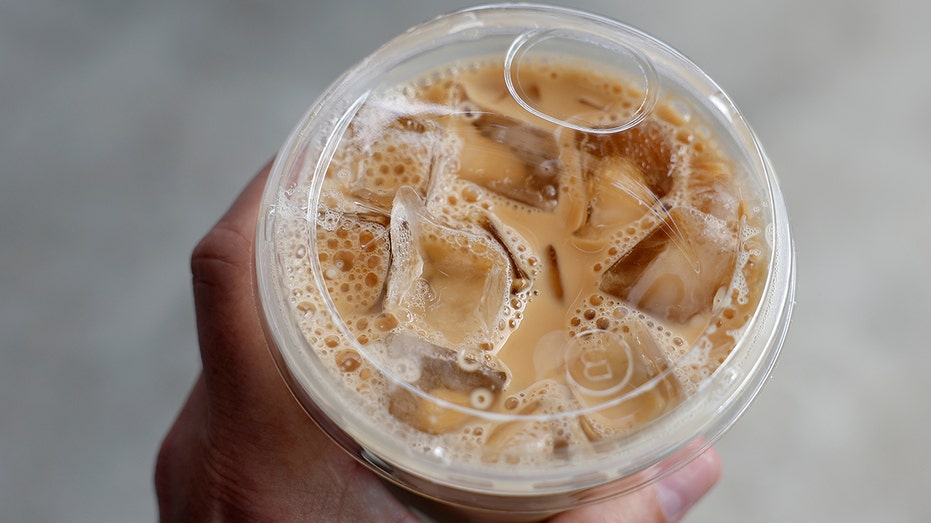
Starbucks is facing a lawsuit over its "sugar-free" protein drinks, with consumers alleging some contain nearly as much sugar as a candy bar.
The proposed class-action lawsuit, filed Oct. 2 in federal court in Washington state, targets eight hot and iced Starbucks protein beverages, including its Sugar-Free Vanilla Protein Latte, Sugar-Free Caramel Protein Latte and protein matcha drinks.
The beverages contain between 13 and 21 grams of sugar in a venti-sized serving, according to the lawsuit, which reportedly argues that "no reasonable consumer" would expect a to contain that amount.
POPULAR PANTRY PRODUCT CAN'T LEGALLY BE CALLED PEANUT BUTTER — HERE'S WHY
The suit was brought by three consumers who bought the drinks in California, New York and Washington. It asks the court to stop Starbucks from using "sugar-free" to describe products that contain sugar.
Starbucks is disputing the allegations.
"We believe these claims have no merit," a Starbucks spokesperson told Fox News Digital.
"Starbucks has consistently and clearly provided information about its protein beverages, sugar-free options, customization choices, and nutritional content across product announcements, menus, marketing materials, Starbucks.com and the Starbucks app, and we intend to vigorously defend ourselves in this matter."
The company says the sugar in the drinks comes naturally from protein-boosted milk rather than added sugar, and that sugar-free syrups are used for flavoring.
Nicolette Pace, a New York-based registered dietitian and certified diabetes educator, noted that lactose in milk is a naturally occurring sugar and is not counted as an added sugar, but "sugar-free" and "no added sugar" are not the same.
DIRTY SODA DRINKS ARE EVERYWHERE, BUT DOCTORS WARN OF HEALTH RISKS: 'METABOLIC DISASTER'
"Sugar-free" does not necessarily mean a product contains zero sugar, added Dr. Michael Aziz, an internist at Lenox Hill Hospital in New York City. Under FDA regulations, products labeled "sugar-free" generally must contain less than 0.5 gram of sugar per serving.
"No added sugar," meanwhile, means sugars or sugar-containing ingredients have not been added during processing or preparation, though a product can still contain naturally occurring sugar, as Starbucks says its do. Naturally occurring sugars can still affect blood glucose levels, making the total carbohydrate content important for people with diabetes to consider.
JUST ONE SMALL SERVING OF ULTRA-PROCESSED FOOD A DAY LINKED TO HIGHER DISEASE RISK, MAJOR STUDY FINDS
The plaintiffs argue that they paid more for products advertised as sugar-free than they would have for comparable alternatives, said Danny Karon, an Ohio-based class-action attorney who is not involved in the case. "The challenge will be convincing the court — and then the jury — that consumers relied on Starbucks' alleged misrepresentations when making their purchases," Karon told Fox News Digital.
Beyond the protein beverages cited in the lawsuit, Aziz and Pace warned that other Starbucks specialty




 29.9c
29.9c