'Toxic cocktail' of renter protections destroyed $39M affordable housing investment as Dem cities follow suit
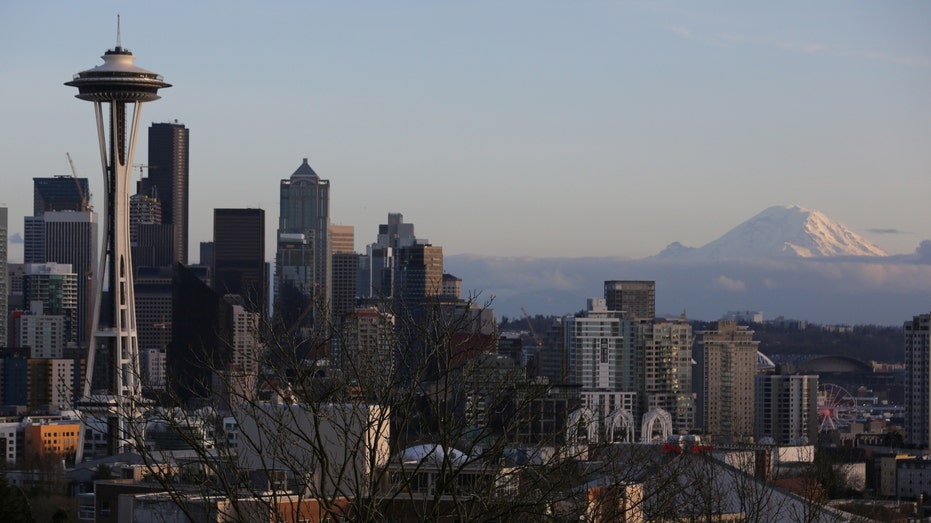
'Toxic cocktail' of renter protections destroyed $39M affordable housing investment as Dem cities follow suit
Seattle's effort to protect renters allegedly helped destroy a $39 million investment meant to provide affordable housing, sending a 254-unit apartment complex that served lower-income residents into receivership. Now, its owners have scored a court victory in a battle that could influence similar fights in Philadelphia and other Democrat-led cities.
The Washington Court of Appeals ruled Monday that GRE Downtowner LLC, the company behind Seattle's 254-unit Addison on Fourth affordable housing development, can proceed with claims that the city's sweeping amounted to an unconstitutional taking of private property. GRE alleges the restrictions, including an ordinance requiring landlords to accommodate certain additional occupants without their consent, sent rent collections plummeting, triggered millions in losses and ultimately made the once-viable affordable housing investment financially unsustainable.
The development operated under the federal Low-Income Housing Tax Credit program, which offers tax incentives to private investors in exchange for providing rent-restricted apartments to lower-income residents. Sean Flynn, executive director of the Rental Housing Association of Washington, explained that while such developments typically generate relatively modest profits, the federal tax credits make them financially attractive to investors, helping bring private money into that might otherwise struggle to get built.
Flynn, who is working with GRE Downtowner in its case against the City of Seattle, told Fox News Digital that the city's successive ordinances targeting landlords ultimately created a "toxic cocktail of legislation" that took a functioning affordable housing property and "destroyed it."
According to court filings, GRE's investment initially proved financially viable, with the property generating positive cash flow from 2015 through 2018. But as Seattle enacted a series of ordinances restricting criminal-background checks, expanding tenants' ability to bring additional occupants into their apartments, limiting certain evictions and requiring relocation assistance following qualifying rent increases, GRE alleges its rent collections collapsed from 93.9% in 2018 to just 44.1% in 2023, contributing to nearly $5.8 million in cumulative operating losses.
The financial deterioration ultimately culminated in a appointing a receiver in January 2026 to take control of the property following a mortgage default.
"The policies they're passing are detrimental to the folks they're actually trying to help," Flynn warned, arguing that excessive restrictions on landlords ultimately hurt renters by discouraging housing investment. "No one will invest to build more housing if they believe that the government can come in and effectuate a taking – to take the property out from under them – and they have no legal recourse."
"What this decision says is government, you can regulate, you can regulate to your heart's content," Flynn added. "But if your regulations amount to the point of which you take my real property, I'm allowed to sue you for it."
Ilya Somin, a George Mason University law professor specializing in constitutional law and property rights, told Fox News Digital that the ruling is more consequential than a routine procedural decision but cautioned against overstating its broader impact.
"This is only moderately significant, but it's more significant than just a routine legal decision that only affects the people immediately involved," Somin said, explaining that courts in other states could consider the Washington ruling when weighing similar constitutional challenges. He also said the case could theoretically go to the but said that was fairly unlikely.
Seattle is hardly alone in imposing sweeping restrictions on landlords. San Francisco has long enforced rent controls and limits on evictions, and








 17c