Americas broken permitting system is quietly raising your cost of living
Americas broken permitting system is quietly raising your cost of living
Permitting reform isn't simply an energy issue or an environmental issue. It is an affordability issue.
The economics are straightforward. In a market economy, prices are determined by supply and demand. When the supply of housing, energy or manufactured goods increases, prices tend to fall. When supply is constrained, prices rise. If policymakers are serious about lowering costs for American families, they should focus on making it easier — not harder — to increase supply.
That begins with fixing America's broken permitting system.
THE SURPRISING HIDDEN COST QUIETLY ADDING NEARLY $132K TO NEW HOME PRICES REVEALED
America does not suffer from a shortage of entrepreneurs willing to invest, workers eager to build or capital ready to finance new projects. But the permitting system fails to produce timely, predictable government decisions.
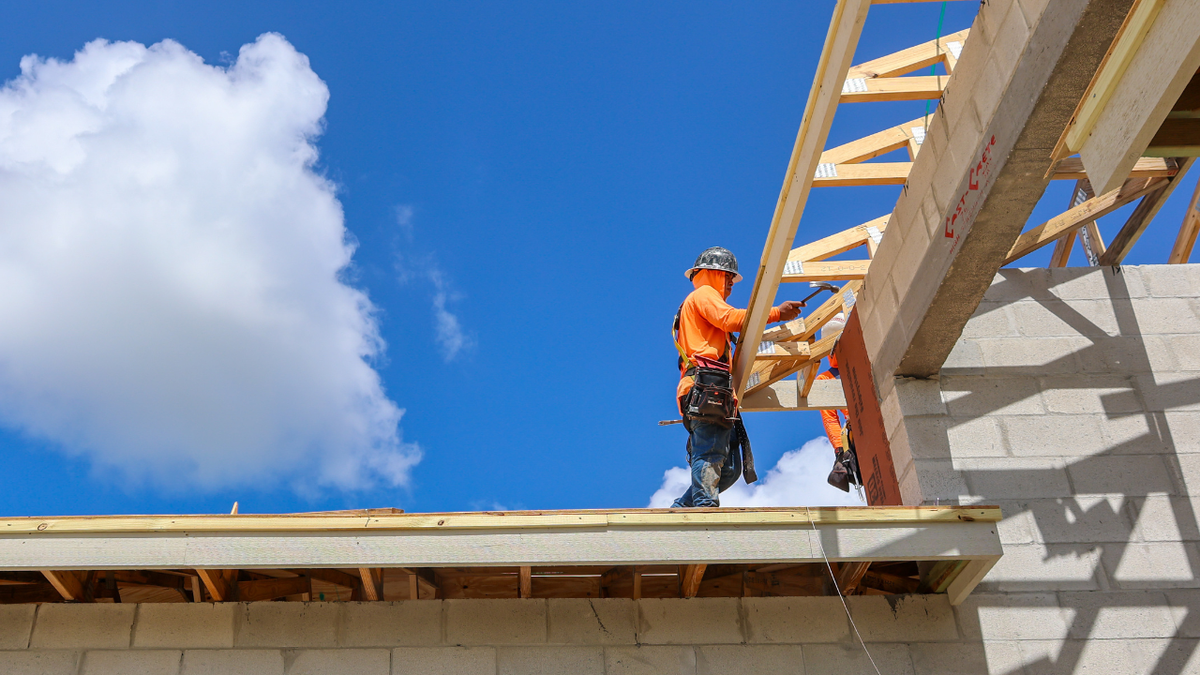
Today, major housing developments, energy infrastructure and even manufacturing facilities routinely spend years navigating overlapping federal reviews, duplicative agency requirements and prolonged litigation. Time becomes a hidden tax. Every year a project sits in regulatory limbo, financing costs rise, construction expenses increase, investors demand higher returns and uncertainty discourages future investment. Those costs are ultimately paid by consumers through higher rents, home prices, utility bills and costlier goods.
Much of this dysfunction stems from decades of expanding procedural requirements under the National Environmental Policy Act (NEPA). Enacted in 1970, NEPA was designed to ensure informed environmental decision-making. Over time, it has evolved into a procedural maze that too often delays projects without producing better environmental outcomes. Endless rounds of paperwork, overlapping agency reviews and years of litigation have become commonplace, even after exhaustive environmental analysis is completed.
The resulting delays impede new supply.
TRUMP-APPROVED ENERGY PROJECTS AT RISK OF SUDDEN DEATH BY NEXT HOSTILE PRESIDENT
The Mountain Valley Pipeline illustrates the problem. First proposed in 2014, the project did not begin operating until nearly a decade later despite extensive environmental review, public comment and regulatory oversight. Repeated litigation under NEPA, the Endangered Species Act and the Clean Water Act delayed construction and increased costs. It took an act of Congress to finally complete the project and deliver natural gas to households and businesses.
af
Housing faces similar obstacles. Following the closure of the Mare Island Naval Shipyard in California in 1996, planners envisioned a vibrant mixed-use community with thousands of new homes. Decades later, significant portions of the property remain unavailable because environmental remediation and overlapping federal oversight still delay redeve








 26.6c
26.6c