Americas promise to our Afghan allies is still unfinished five years later
Americas promise to our Afghan allies is still unfinished five years later
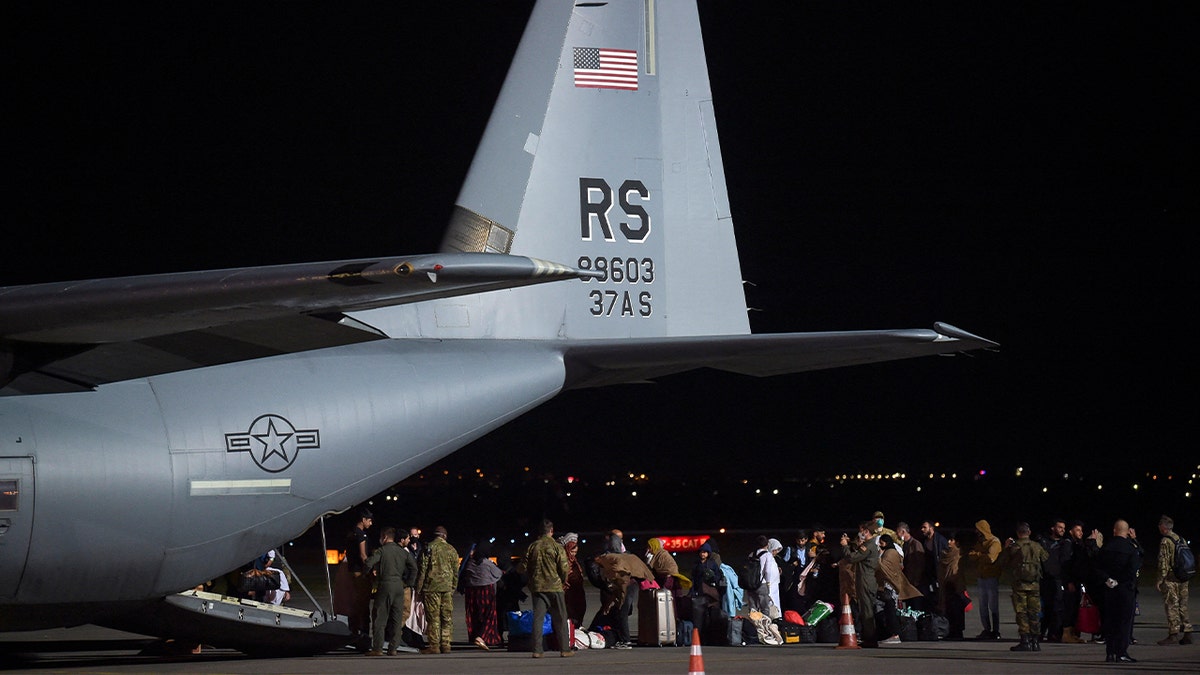
In 2021, after nearly two decades, the United States abruptly withdrew military forces from Afghanistan, causing the nation to fall back under Taliban control. Almost five years later, its hard to forget the images of crowds of people clinging on to planes in a desperate attempt to escape what lay ahead for their country. In the aftermath, many conservative evangelicals and veterans advocates stood up for Afghans fleeing persecution and violence. But the job remains unfinished. Now is the time to renew our efforts and push for a lasting solution for our Afghan neighbors.
As the Taliban retook Kabul, those allies were suddenly in grave danger. Their ranks included many translators, drivers and others who became targets because they worked with the United States. Many turned to the U.S. for such a chance at safety, and in 2021, a multi-agency, public-private effort mobilized to rally around our allies.
Both our organizations support Afghan evacuees in different ways. World Relief, in coordination with hundreds of local churches, has spent years resettling Afghan families in American communities, and AfghanEvac has fought to bring home the mission partners who served alongside our troops and enabled the U.S. mission. Since the beginning of U.S. involvement in Afghanistan, promises have been made to provide a pathway to legal residency in America for Afghan allies who assisted the U.S. government.
SUPREME COURT'S LATEST IMMIGRATION RULING WILL CAUSE AMERICANS TO 'DIE AND SUFFER' ATTORNEY WARNSa
Many evangelical Christians in the U.S. recognized the moral crisis at stake and were eager to help welcome and support people fleeing persecution in Afghanistan. Evangelical leader Franklin Graham led an initiative to organize support for Afghans. Here at World Relief, we were flooded by calls from churches wanting to help, and our offices were soon full of donations. At the time, polls found a majority of evangelicals supported taking in Afghan refugees. Due to unprecedented levels of support, many Afghan families were soon resettled in American communities.
Ideally, Afghans who had worked for the U.S. government would have arrived with approved Special Immigrant Visas (SIVs) or through the U.S. Refugee Admissions Program, either of which would have ensured new arrivals that they had a permanent place in the United States. But due to the urgent nature of the evacuation, most of the roughly 70,000 Afghans brought to the U.S. by the federal government in the months immediately after the fall of Kabul were admitted on humanitarian parole, which allowed them to be lawfully present and authorized to work, but only temporarily. This was conducted through Operation Allies Welcome, an initiative made possible through grassroots veteran involvement. Some of these individuals were subsequently granted Temporary Protected Status (TPS), a distinct but still, obviously, temporary legal protection.
When the conditions in Afghanistan did not improve over time, it was clear a more






 25.8c
25.8c