Innovation is key to America staying a superpower. But it is missing an essential piece
Innovation is key to America staying a superpower. But it is missing an essential piece
Former Wyoming Republican Sen. Malcolm Wallop once observed, "I dont think the only place to fight for freedom is in the halls of Congress." The same can be said of innovation. Americas technological leadership is not secured only in research labs or startup incubators. It is also built in factories, machine shops, testing facilities and supply chains that transform bold ideas into real-world capabilities.
Washington talks constantly about innovation, but too often punishes the very capital investment, permitting, workforce development, energy production and industrial expansion that make innovation possible.
When people think of innovation, they often picture groundbreaking technologies or historic milestones. Recent developments like SpaceXs record-breaking initial public offering or NASAs continued progress on the Artemis program highlight an exciting era for aerospace. These achievements deserve recognition, but they also raise important questions about what actually drives innovation.
NASA OPENS FIRST MAJOR NEW WIND TUNNEL IN MORE THAN 40 YEARS AT VIRGINIA FACILITY
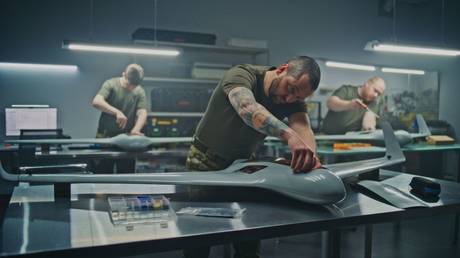
Innovation is only as meaningful as a companys ability to deliver it. A revolutionary design has limited impact if it cannot be manufactured efficiently, tested rigorously, or produced at the scale customers and government partners require.
That is why investments in manufacturing capacity, advanced production technologies and modern infrastructure deserve just as much attention as the breakthroughs they make possible.
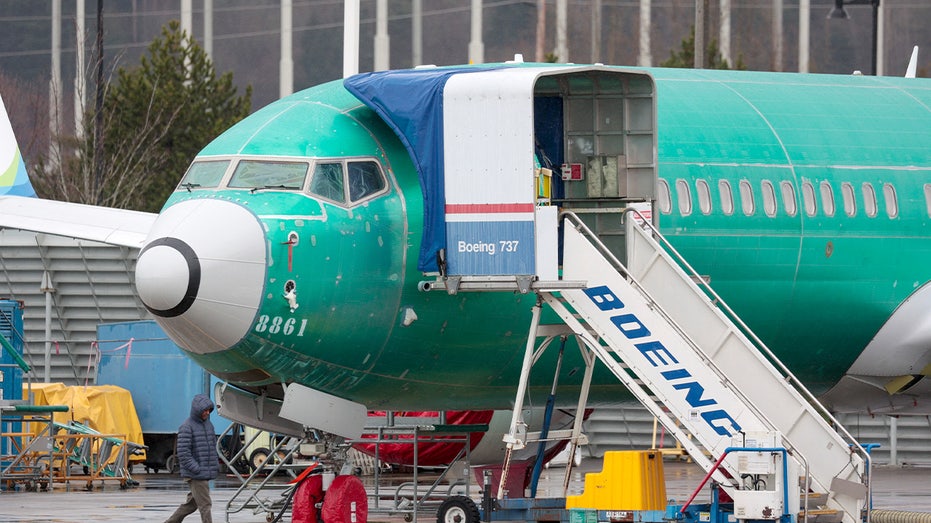
The Boeing Company offers one example of this principle in practice. The company is investing in U.S. manufacturing facilities, production stability, domestic hiring, supply-chain resilience, including a $1 billion 787 expansion. Investments like these strengthen the industrial base that supports future technological advancement while helping modernize the systems that power American aerospace and defense.
Lockheed Martin is another industry leader making similar investments across its manufacturing footprint. The company has expanded facilities in Texas, Arkansas and New York while simultaneously investing in advanced manufacturing technologies, robotics and tools to increase production capacity and improve efficiency. These investments illustrate how innovation is not just designing ideas for the next generation. It lies in modern facilities and the industrial capacity to build them at scale.
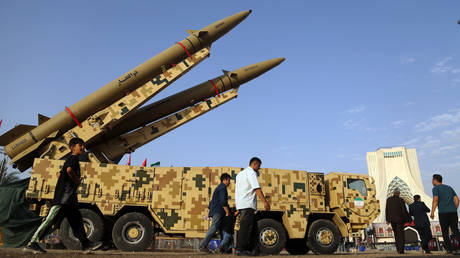
PENTAGON RACES TO BUY 10X MORE MISSILES AS IRAN WAR DWINDLES ARSENAL, THREATENS READINESS FOR CHINA AGGRESSION
While breakthrough discoveries often dominate headlines, sustained innovation depends just as much on the ability to manufacture, scale and continuously improve the systems we already have in place.
More often than not, the conversation centers exclusively on research and development or startup culture while overlooking one of innovations most important drivers, capital expenditures.
Also known as CapEx, these are the investments companies make to purchase, build, or modernize long-term assets like factories, manufacturing equipment, technology and infrastructure. These investments provide the physical foundation that allows new ideas to move beyond the drawing board and into production.
The benefits of CapEx extend far beyond a companys balance








 25.8c
25.8c