Brad Pitt says he can drink in restrained manner after 7 sober years, but expert raises red flag
Brad Pitt says he can drink in restrained manner after 7 sober years, but expert raises red flag
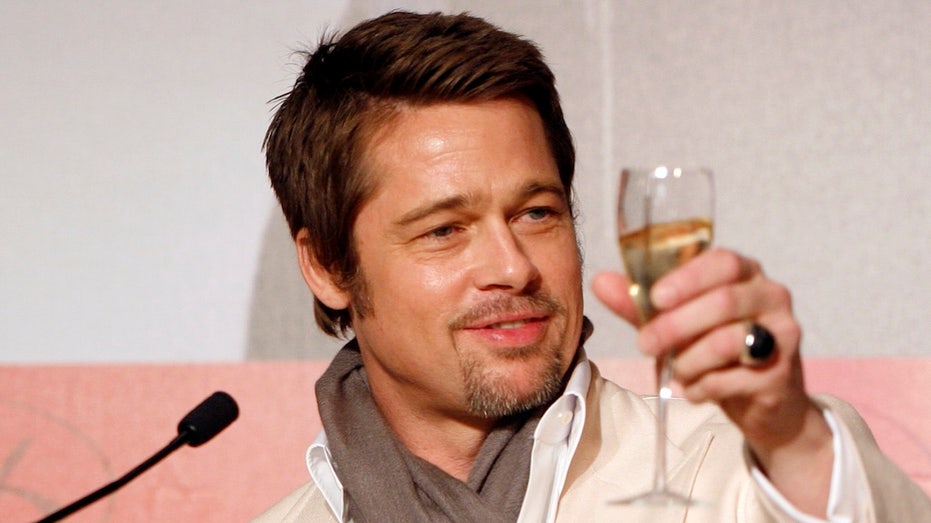
After seven years of sobriety, Brad Pitt has revealed that he resumed drinking alcohol in moderation — an approach that has raised concerns among some addiction experts.
In an Esquire interview published on Aug. 10, the actor said, "I was sober for seven years. And then I got back off the wagon."
Pitt shared that he now drinks "in a more restrained manner," saying that he doesnt consume "big quantities" of alcohol.
BRAD PITT ADMITS HE BEGAN DRINKING AGAIN AFTER YEARS OF SOBRIETY
"I got overconfident a couple times, went, Yep, nope, not good for me," he acknowledged. "I have to be professional about it."
Pitt once spoke about his sobriety in a 2019 New York Times interview, disclosing that hed spent 18 months in Alcoholics Anonymous. "I had taken things as far as I could take it, so I removed my drinking privileges," he said.
BEER, WINE OR LIQUOR? MASSIVE STUDY REVEALS WHICH WAS LINKED TO LOWER DEATH RISK
Jessica Steinman, a Los Angeles addiction specialist and chief clinical officer for No Matter What Recovery, generally advises against people returning to alcohol after a problematic relationship with it, warning that "testing the waters" can potentially be "dangerous."
The National Institute on Alcohol Abuse and Alcoholism (NIAAA) defines alcohol use disorder (AUD) as an impaired ability to stop or control alcohol use despite adverse social, occupational or health consequences. The condition can range from mild to severe.
"There are people who and take a very large break, have a long period of sobriety and recovery, and they may choose to integrate it back into their lives," Steinman, who was not diagnosing Pitt with AUD, told Fox News Digital.
"As an addiction professional, as someone who's been in this field for a very long time, I dont see a whole lot of success with that."
Although some people do successfully return to substances after needing to stop, Steinman considers them "anomalies and exceptions to the rule."
"People think, Oh, I've gone this long. I think I'm going to be able to manage it – I have the skills now. I have tools," she said.
Addiction can alter the , she said, making it highly responsive to the dopamine release associated with drinking or substance use.
"And that doesn't go away – it lays dormant," Steinman said, comparing it to a bear in hibernation. "If you wake that bear … life can quickly become unmanageable. So they want to be very mindful of that happening."
The NIAAA notes that alcohol addiction involves changes across multiple brain systems related to rewards, stress, decision-making and learned responses to alcohol-related cues, and that some of those changes can continue even after drinking stops.
For those struggling with substance-use issues and mental health issues, it's a "lifelong issue" that must be managed like any other chronic illness, according to Steinman.
"I liken it to diabetes or heart disease – you have to manage this ," she said. "And it's the same thing for alcoholism and substance use issues."
While NIAAA acknowledges that alcohol addiction can leave some people vulnerable to relap






 29c
29c